
TL;DR:
- Minimalist decor emphasizes intentional curation, using removable, multi-purpose solutions ideal for renters. Warm lighting, tactile textiles, and a single focal element prevent the space from feeling clinical. Recycled PET felt panels and thoughtfully planned installations allow for stylish, reversible design within lease constraints.
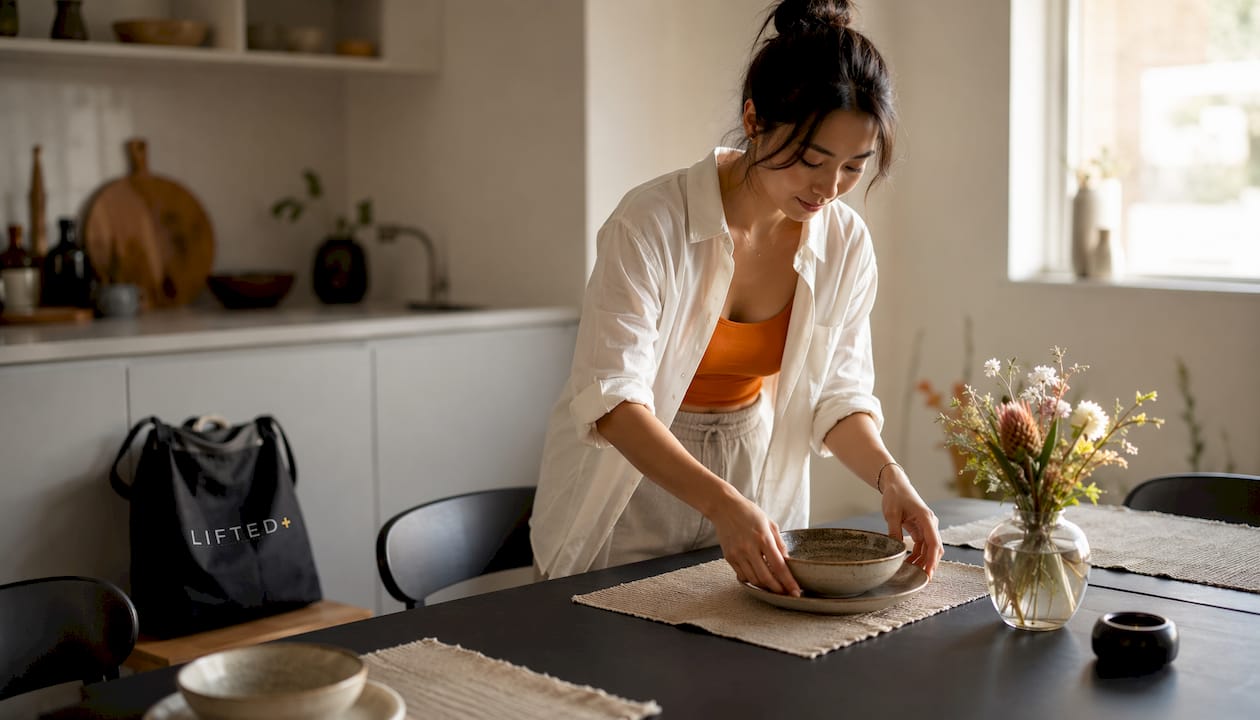
Minimalist decor is intentional, pared-back design that keeps only what is functional or genuinely loved, using negative space, curated objects and considered texture to make a home feel calm and personal. For renters, that definition carries real practical weight: you can achieve a composed, modern look through modular, removable elements and multi-purpose furniture rather than paint, screws or permanent renovation.
“Minimalism is intentional curation, not lack of personality — keep only what is needed and loved.”
— Architectural Digest
Three anchors hold the whole approach together: negative space that gives the eye somewhere to rest, a small number of curated objects that each carry genuine weight, and texture that adds warmth without adding clutter. A renter-friendly feature wall built from removable, no-drill panels made from 100% recycled PET felt delivers all three at once.
Table of Contents
- Core principles of minimalist decor you can apply today
- Minimalism is not cold — here is how to keep it warm
- Rules for applying minimalist decor in rentals
- Removable wall solutions that work with minimalist decorating
- Step-by-step planning for a no-drill minimalist feature wall
- A quick styling checklist to keep minimalism personal and colourful
- Colour without commitment: DwellForms™ for renters who want more from their walls
- Key takeaways
- The edit is the design
- Useful sources and further reading
- FAQ
Core principles of minimalist decor you can apply today
Minimalist design rests on four principles: intentionality, functionality, editing and negative space. In a rented room, each one shapes a specific decision.
Intentionality means every object passes a simple filter: does it serve a purpose or hold genuine meaning? If not, it does not belong. Functionality pushes you toward multi-purpose furniture — a storage ottoman, a bed frame with drawers, a console that doubles as a desk. These pieces do the work of two without doubling the visual noise.
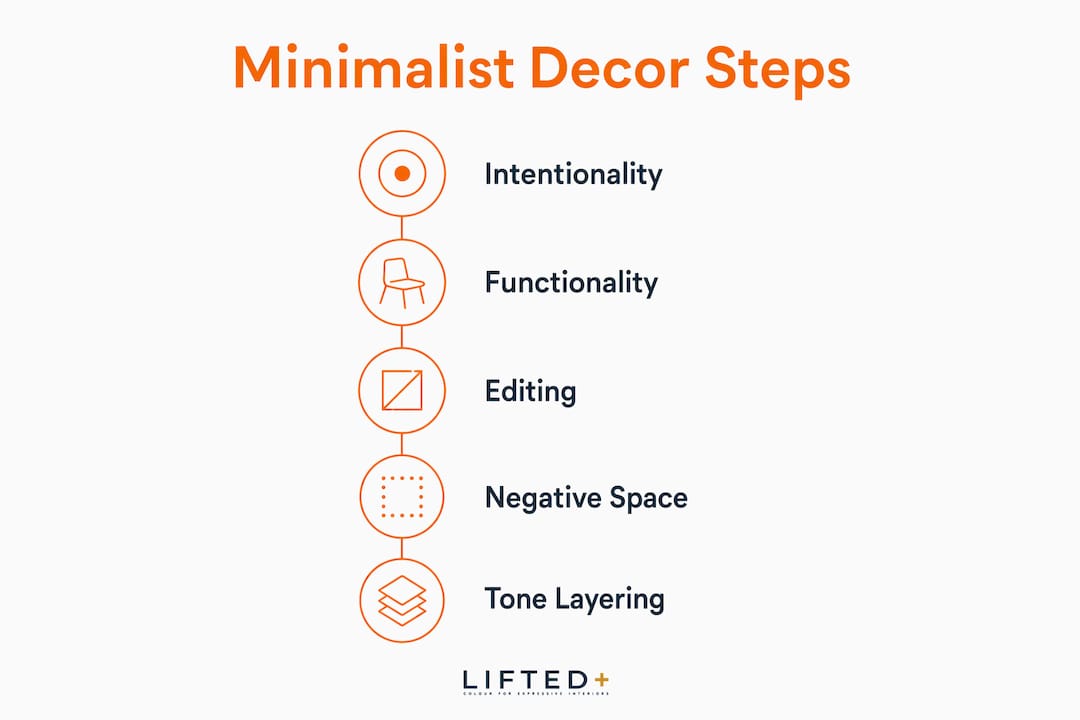
Editing is the most underrated skill in minimalist decorating. Designers recommend removing items gradually and living with the edit for a week before deciding what stays. A one-time purge rarely lands in the right place; patience does.
Negative space is a deliberate design choice, not a gap to fill. Focusing on negative space as a design element makes rooms feel larger regardless of square footage. Keep pathways clear, leave wall sections unadorned, and let furniture breathe.
Tone-on-tone layering and tactile materials — felt, timber, woven textiles — create depth without adding visual clutter, making minimal rooms feel lived-in rather than staged.
Pro Tip: Remove one item at a time, live with the result for a week, then decide. Overhauling a room in a single afternoon almost always produces a space that feels stripped rather than considered.
Minimalism is not cold — here is how to keep it warm
The most persistent myth about minimalist decor is that it means all-white, sterile rooms. Contemporary minimalism is the opposite: warmth and personality are central to how it works today.
Three practical fixes prevent a minimal space from reading as clinical:
- Layered lighting: Aim for warm lighting around 2700–3000K across ambient, task and accent layers. Warm-toned bulbs alone shift the emotional register of a room.
- Tactile textiles: Linen throws, a wool rug and timber shelving add sensory depth without introducing clutter. Natural materials earn their place by working on two levels — visual and physical.
- One sculptural or colourful element: A single impactful object, a cluster of two or three pieces, or a colour-led feature wall gives the eye a place to land and the room a sense of identity.
Lighting deserves a specific callout. Ambient light sets the mood, task light serves function, and accent light draws attention to texture or form. Together they add dimension that prevents a minimal room from feeling like a showroom rather than a home. For guidance on layering light at home, the approach is straightforward: start with one warm overhead source, add a floor lamp, then introduce a directed accent.
Rules for applying minimalist decor in rentals
The core rule is simple: use non-permanent solutions, multi-use furniture and tested adhesives rather than paint or screws. Everything else follows from that.
A landlord-friendly decorating checklist:
- Read the lease before making any wall changes.
- Photograph every wall before you touch it — date-stamped photos protect your bond.
- Order sample kits before committing to a full system; many credit the sample cost toward a full purchase.
- Test any adhesive pad in an inconspicuous spot first and follow the manufacturer’s removal instructions.
- Use freestanding storage that looks built-in — tall shelving units, modular cubes and slim console tables keep surfaces clear without wall fixings.
- Keep surfaces intentionally edited: one or two objects per surface, not a collection, and incorporate ideas from How to create more storage space in a small home for effective organization.
For a broader set of renter-friendly decor ideas that work within lease constraints, the principle is the same: every change should be reversible and photographically documented.
Pro Tip: Sample kits are often credited toward a full kit purchase. Order one first, live with the colour in your actual light conditions for a few days, then commit.
Removable wall solutions that work with minimalist decorating
Modular, removable panels deliver architectural impact without renovation. The main categories available to Australian renters each have a distinct character:
| Solution type | Visual effect | Ease of install | Renter-friendliness | Typical cost band |
|---|---|---|---|---|
| Modular PET felt kits | Sculptural, textured, colour-led | High | High (adhesive pads, no drill) | Medium |
| Peel-and-stick tiles | Graphic, flat | High | Medium (surface-dependent) | Low–medium |
| Fabric panels on rails | Soft, draped | Medium | High | Low–medium |
| Timber slat systems | Linear, warm | Medium | Low–medium (often requires fixing) | Medium–high |
When choosing a system, consider these practical factors:
- Surface compatibility: test adhesion on your specific wall surface before ordering a full kit.
- Sample availability: prioritise systems that offer sample or starter kits.
- Reversibility: confirm the removal method and whether it risks paint or plaster damage.
- Colour range: choose a system with enough palette depth to anchor your colour story.
- Extendability: modular systems that accept extension packs let you scale the wall over time.
DwellForms™ by Liftedplus is a colour-led, modular PET felt wall kit designed specifically for no-drill installation using tested adhesive pads. Made from 100% recycled plastic, the panels are precision-cut and available in multiple designs with extension kits for evolving layouts. It is a purpose-built renter-friendly choice for adding architectural rhythm and warmth without renovation.
Pro Tip: Start with a core kit or sample kit and plan extensions rather than committing to a full wall at once. Your colour story will sharpen once the first panels are up.
Step-by-step planning for a no-drill minimalist feature wall
Plan, sample, measure, mock up, install with tested adhesive pads, then live with and adjust. That sequence keeps surprises small and landlord conversations straightforward.
- Measure and photograph the wall. Note any power points, light switches or irregularities.
- Choose your focal point and colour story. One wall, one palette anchor.
- Order samples. Live with colour swatches in your actual light for 2–3 days before deciding.
- Mock the layout on the floor using the kit’s layout guide or paper templates before anything touches the wall.
- Test the adhesive pad on a small, out-of-sight section of wall. Wait 24 hours and check for any surface reaction.
- Install row by row, working from the centre or a defined anchor point outward.
- Tidy edges and photograph the finished wall. Keep the original packaging and adhesive instructions for move-out.
| Stage | Typical timeframe |
|---|---|
| Sampling and colour decision | 1–2 days |
| Design, order and delivery | Around 1 week |
| Installation (small wall) | 2–6 hours |
| Living-in adjustment | 1–2 weeks |
Cost guidance stays qualitative here: sample kits sit at the lower end, core kits in the mid range, and extension packs add incrementally. The stepwise planning approach reduces the risk of costly rework and makes the landlord conversation much easier at move-out.
Pro Tip: Keep the original packaging. It makes removal cleaner and gives you the manufacturer’s instructions if a landlord asks questions.
A quick styling checklist to keep minimalism personal and colourful
A minimal room should feel considered, not empty. These checks keep it on the right side of that line:
- Limit your palette to two or three tones, with one colour anchor that gives the room its identity.
- Choose two statement pieces maximum per room — a sculptural panel arrangement and one art work, for example.
- Layer texture: a wool rug, linen cushions and a timber surface read as warmth, not clutter.
- Keep every horizontal surface intentionally edited. One or two objects, not a collection.
- Add greenery sparingly — a single plant in a considered spot reads as life; several compete for attention.
- Check lighting layers: ambient, task and accent. Warm-toned bulbs (2700–3000K) prevent the clinical read.
- Balance the feature wall with negative space on adjacent walls so the panels read as architecture, not decoration.
Choosing recycled PET felt panels also supports the intentional curation that minimalism is built on: every material choice carries meaning, and a panel made from 100% recycled plastic aligns that meaning with sustainability.
For small-space layouts where scale and proportion matter most, small apartment decor ideas offer practical guidance on furniture sizing and sight-line management that pairs well with a minimalist approach.
Colour without commitment: DwellForms™ for renters who want more from their walls
Blank rental walls are one of the most common frustrations in rented homes. Paint is off the table, wallpaper feels permanent, and most peel-and-stick options lack the architectural presence that makes a room feel designed rather than decorated.
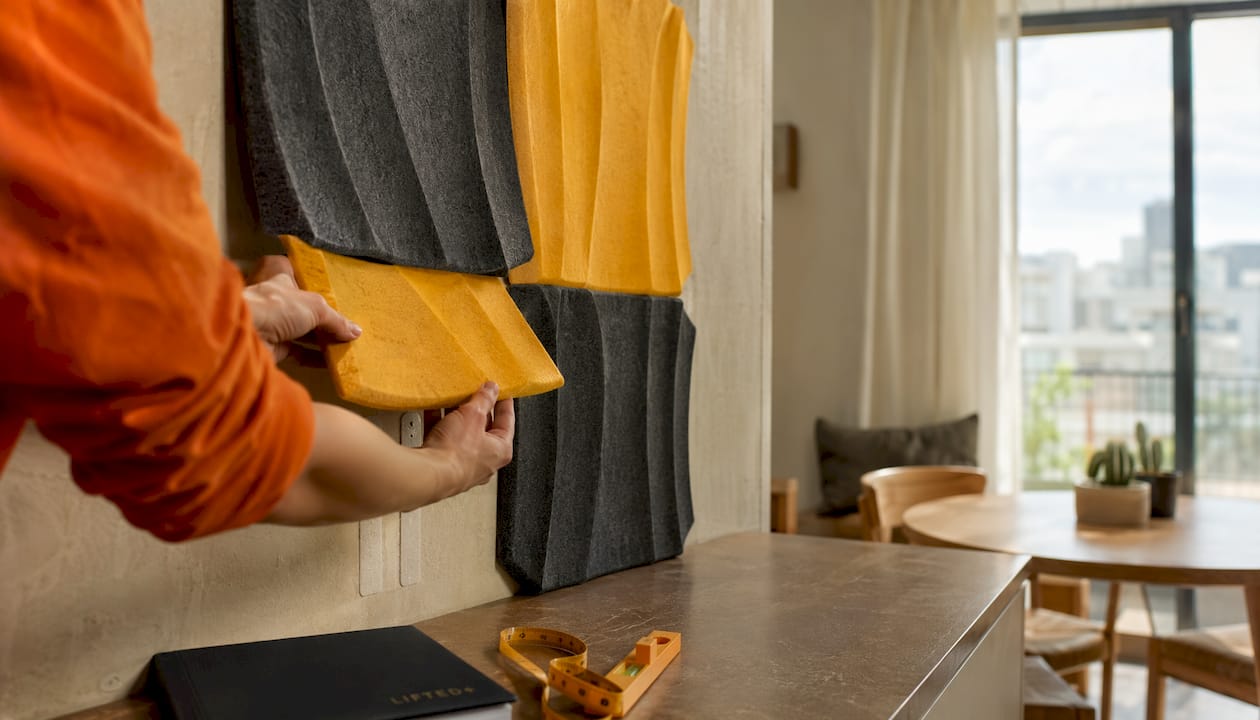
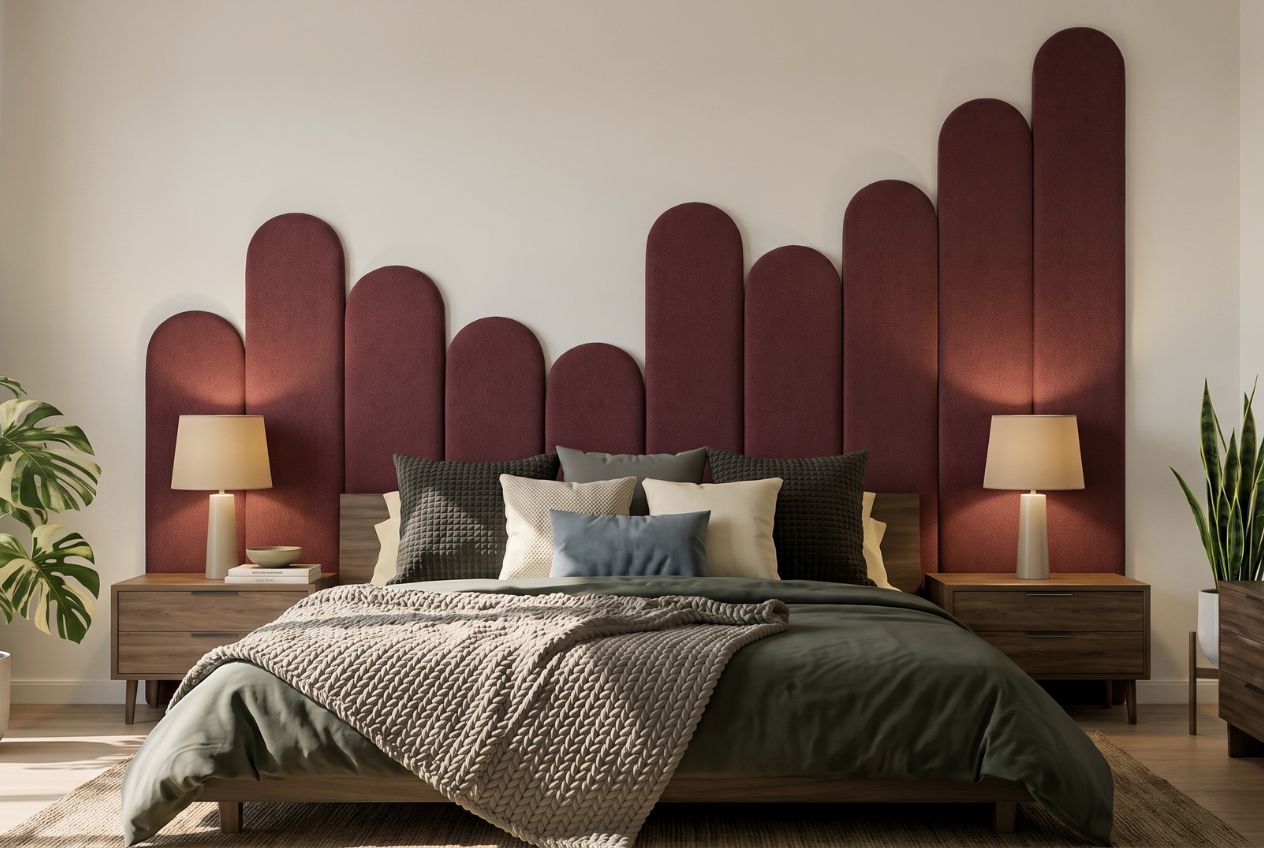
DwellForms™ by Liftedplus was built for exactly this situation. The modular PET felt kits install with tested adhesive pads — no drilling, no painting, no permanent renovation. Each kit arrives with a layout guide, and extension packs let you scale the wall as your confidence and colour story grow. Sample kits are available and credited toward a full kit purchase, so you can test colour in your actual space before committing.
The material itself is precision-cut PET felt made from 100% recycled plastic: tactile, warm and genuinely sustainable. When you move, the panels come down cleanly, pack flat and travel with you.
Browse the DwellForms™ Skyline Kit or explore the full range of no-drill core kits to find the right starting point for your wall.
Key takeaways
Minimalist decor works for renters because it is built on intentional curation, removable solutions and edited colour rather than permanent renovation.
| Point | Details |
|---|---|
| Minimalist decor defined | Intentional, pared-back design that keeps only what is functional or genuinely loved. |
| Core renter rules | Use tested adhesive pads, photograph walls before and after, and test samples in your actual light. |
| Avoid the clinical look | Layer warm lighting at 2700–3000K, add tactile textiles and choose one sculptural colour anchor. |
| Removable wall solutions | Modular PET felt kits offer the highest renter-friendliness with no-drill installation and full reversibility. |
| DwellForms™ by Liftedplus | Colour-led, modular PET felt kits with tested adhesive pads, sample options and extension packs for rental walls. |
The edit is the design
Minimalism gets misread as a style of subtraction. The rooms that actually work are built on something more deliberate: a series of considered additions, each one earning its place.
What I find most telling is how renters respond when they finally commit to a colour on their walls. The instinct is to go neutral, to play it safe, to wait until they own the space. But a well-placed, removable feature wall in a considered colour does more for a room’s sense of identity than any amount of careful furniture arrangement. Colour is not decoration. It is atmosphere.
The practical lesson from working within rental constraints is that limits sharpen decisions. When you cannot paint, you choose more carefully. When you cannot drill, you think harder about placement. The result is often a more considered space than you would have created with full freedom.
Start with one wall. Order a sample. Live with the colour for a few days. The edit will tell you what comes next.
Useful sources and further reading
| Source | What you will find |
|---|---|
| Architectural Digest: Minimalist interior design 101 | Expert framing of minimalism as intentional curation, not emptiness. |
| Apartment Therapy: 5 rules to know | Iterative editing approach and the designer’s ‘sweet spot’ concept. |
| SuperVivo: What defines a modern minimalist style? | Practical guidance on negative space, warm lighting and tactile materials. |
| The Spruce: What is minimalist design? | Core characteristics: clean lines, restrained palettes, hidden storage. |
| Liftedplus: How to decorate a rental | Stepwise planning and landlord-aware installation guidance. |
| Liftedplus: Recycled PET felt panels guide | Material credentials, sustainability and installation detail for PET felt panels. |
FAQ
What is minimalist decor in simple terms?
Minimalist decor is a design approach where every item in a space serves a clear purpose or holds genuine meaning. It prioritises function, negative space and intentional curation over decoration for its own sake.
Can minimalist decor work in a rental without painting?
Yes. Removable solutions such as modular PET felt panel kits, fabric panels on rails and peel-and-stick tiles deliver architectural impact without paint or drilling. DwellForms™ by Liftedplus installs with tested adhesive pads and removes cleanly at move-out.
How do I stop a minimalist room from feeling cold?
Layer warm lighting at 2700–3000K across ambient, task and accent sources, add tactile textiles like linen and wool, and introduce one sculptural or colour-led element as a focal point.
How long does it take to install a removable feature wall?
A small wall typically takes 2–6 hours to install once you have sampled, measured and planned the layout. Allow around a week for ordering and delivery, and 1–2 weeks of living-in adjustment to confirm the result.
Is minimalist decor the same as modern decor?
They overlap but are distinct. Modern decor refers to a specific mid-century design period; minimalist decor is a philosophy of intentional reduction that can be applied across many styles, including warm, colour-led and Japandi-influenced interiors.