
TL;DR:
- Recycled PET wall panels are sustainable options that divert plastic bottles from landfills while providing acoustic benefits. They come in felt and rigid sheet formats suitable for different interior spaces, offering environmental and aesthetic advantages. Proper installation and verified sustainability claims through EPDs ensure these panels are a practical choice for eco-friendly design in New Zealand homes.
Sustainable wall panels made from recycled PET are defined as decorative and acoustic cladding products manufactured by thermally bonding post-consumer polyethylene terephthalate fibres or sheets into rigid or semi-rigid panels. A single square metre of 12 mm material diverts 120–150 plastic bottles from landfill while delivering Noise Reduction Coefficient ratings between 0.75 and 0.95. That combination of waste diversion and acoustic performance is what separates recycled PET panels from conventional wall finishes. For New Zealand homeowners and interior designers seeking materials that hold both a room and a conscience, these panels are worth understanding in full.
1. What are sustainable wall panels made from recycled PET?
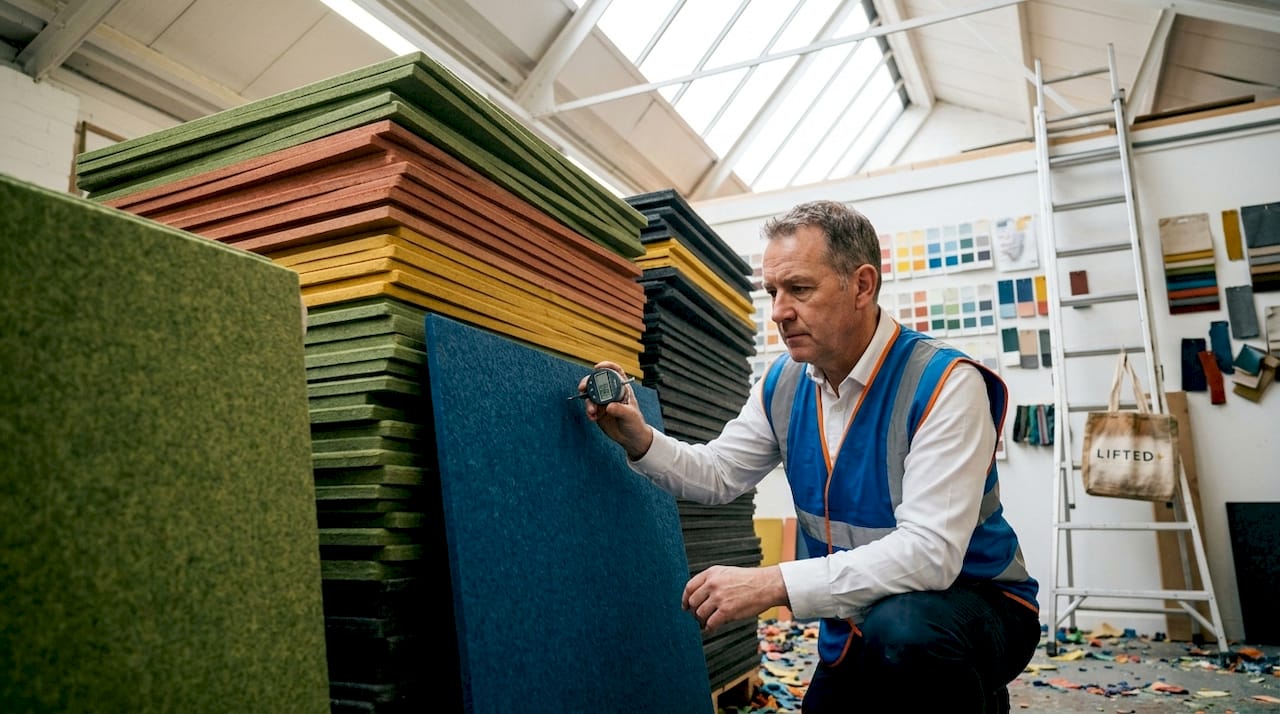
Recycled PET wall panels are produced from post-consumer plastic bottles that are cleaned, shredded, and thermally bonded into either soft acoustic felt or rigid decorative sheets. The industry term for the soft acoustic version is polyester PET acoustic panel, while the rigid form is typically called a recycled plastic sheet or recycled PET board. Both formats fall under the broader category of sustainable building materials, and both are gaining ground in New Zealand residential and commercial interiors.
The thermal bonding process is significant. No resins or chemical binders are used during manufacturing, which eliminates VOC emissions at the source. This makes the panels formaldehyde-free and far safer to handle than fiberglass alternatives, which require protective gear during installation.
Standard acoustic PET panels come in sheets of 2440 mm x 1220 mm, with thickness options ranging from 9 mm to 24 mm. Rigid recycled plastic sheets follow similar sizing conventions. Installation methods include eco-friendly adhesives, spray glues, and nails, depending on the substrate and panel weight.
Pro Tip: For acoustic applications in living rooms or home offices, choose a 12 mm panel over a 9 mm panel. The additional thickness meaningfully improves sound absorption without adding significant weight or cost.
2. What types of sustainable wall panels made from recycled PET panels suit different spaces?
The three main types of recycled PET panels each serve a distinct purpose in interior design. Understanding which format suits your space prevents costly mistakes and wasted material.
Polyester PET acoustic felt panels are the most widely used format in residential interiors. They absorb sound, reduce echo, and add tactile warmth to walls. They work particularly well in living rooms, home offices, and media rooms where noise control matters.
Rigid recycled PET sheets are denser and more suitable for wet areas, feature walls, and decorative applications. Moisture-resistant and fully recyclable at end of life through manufacturer take-back schemes, these panels suit bathrooms, laundries, and kitchen splashbacks. Their surface can be smooth or textured, depending on the manufacturing process.
Non-acoustic decorative tiles made from recycled PET sit between the two. They offer visual interest without the full acoustic performance of felt panels. These work well as feature wall accents or in spaces where aesthetics take priority over sound control.
For a broader view of how these formats compare with other wall covering options, the Liftedplus guide on PET felt wall panel alternatives covers the technical differences in detail.
3. Environmental and practical benefits of recycled PET panels
The environmental case for sustainable wall panels made from recycled PET is grounded in measurable impact. Each square metre of 12 mm panel diverts over 100 plastic bottles from landfill. At scale, a single feature wall in a standard New Zealand living room can represent the diversion of several hundred bottles from the waste stream.
Recycled content in these panels typically ranges from 60% to 100% of total material weight. Panels produced at 100% recycled content weigh under 2 kg per square metre, which reduces structural load and makes them manageable for do-it-yourself installation. That low weight is a practical advantage in older New Zealand homes where wall structures may not support heavy cladding.
The acoustic performance is equally concrete. NRC ratings between 0.75 and 0.95 mean these panels absorb between 75% and 95% of sound energy that strikes them. That is a meaningful improvement over bare plasterboard, which reflects most sound back into the room.
Fire safety is addressed through compliance with standards such as ASTM E84 Class A or EN 13501-1 Class B-s1, depending on panel type and manufacturer. DwellForms™ confirms with EN 13501-1 Class B-s1. Always verify the specific fire rating for the product you select, particularly for commercial or multi-unit residential applications.
The indoor air quality benefits are also worth noting. sustainable wall panels made from recycled PET are formaldehyde-free and low-VOC, which matters in well-sealed modern New Zealand homes where indoor air quality directly affects occupant health.
4. How design aesthetics of recycled PET panels shape a room
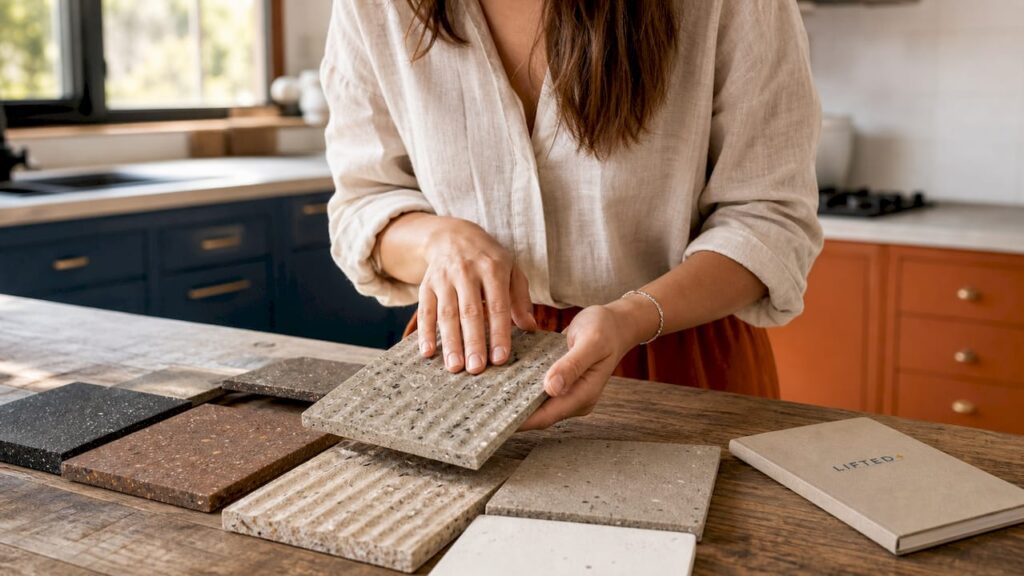
The visual character of recycled PET panels comes directly from their raw material. Because post-consumer bottles vary in colour and clarity, the finished panels carry natural flecks and colour variations that no two batches replicate exactly. This is not a flaw. It is the material speaking its origin.
Designers working with these panels in New Zealand homes have found that the irregular patterning reads as intentional texture when installed across a full feature wall. The effect is closer to natural stone or handmade tile than to manufactured laminate. It gives a room a sense of depth and material honesty that polished synthetic surfaces cannot replicate.
Popular design themes using recycled PET panels in New Zealand interiors include earthy, nature-referenced palettes where the panel’s organic variation echoes timber, stone, or woven textiles. The Lifted+ editorial on modern home decor in New Zealand explores how these material choices sit within broader interior design trends.
There are practical design rules worth following. Order all panels for a single project from the same manufacturing batch. Batch variation is common, and panels from different production runs may differ noticeably in tone. For large installations, order 10–15% extra from the same batch to cover cuts, mistakes, and future repairs.
Pro Tip: Place sustainable wall panels made from recycled PET on a single accent wall rather than all four walls. One strong surface lets the material’s natural variation read as a considered design choice rather than a visual distraction.
For more on how to use natural pattern and texture in wall decor, the Liftedplus decorative wall panels homeowner’s guide covers residential applications in depth.
5. Installation best practices for New Zealand homes
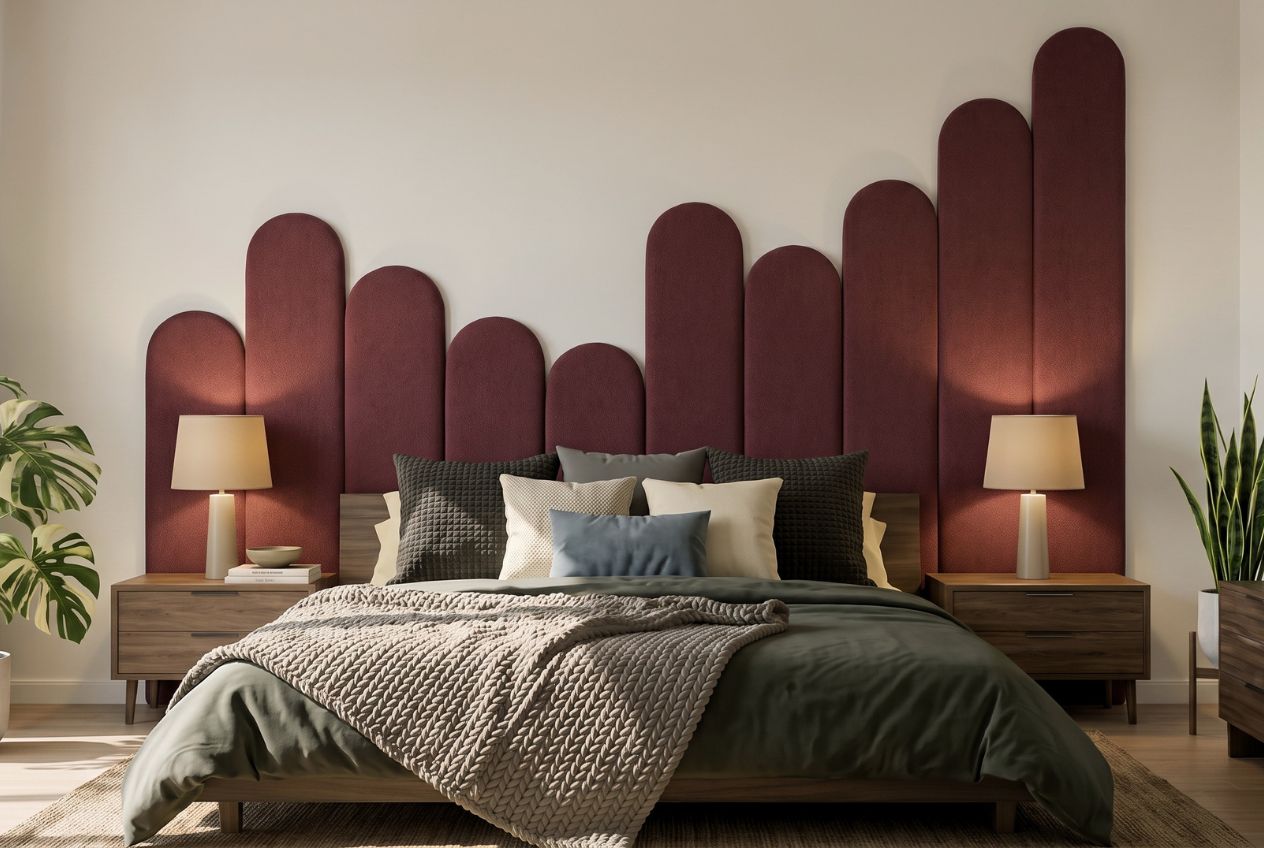
DwellForms™ recycled PET felt panels are designed to make wall transformation straightforward, even for people with little or no DIY experience. Each kit arrives precision-cut and ready to arrange, so there is no need for drilling, sawing, specialist tools or protective equipment during normal installation.
Instead of being permanently fixed to plasterboard, timber or masonry, DwellForms™ panels are installed using the supplied removable adhesive tabs. This makes them particularly well suited to rental homes, apartments and spaces where you want to add colour, form and personality without making permanent changes to the wall.
The most important part of installation is planning the layout before applying the adhesive tabs. Use the supplied spacing guide and mini level to position the panels consistently, then step back and check the overall composition before pressing each piece firmly into place.
Common installation mistakes to avoid include:
- Applying the panels to dusty, damp or recently painted walls
- Skipping the layout stage and attaching pieces before checking the full design
- Placing adhesive tabs too close to the edge of a panel
- Repositioning the same adhesive tab repeatedly, which may reduce its grip
- Installing panels over loose, peeling or heavily textured wall finishes
Pro tip: Lay the complete design out on the floor first, or lightly mark key positioning points on the wall using removable painter’s tape. This helps you confirm the scale, spacing and direction of the arrangement before installation begins.
Wall surfaces and paint finishes vary, so always follow the installation instructions supplied with your DwellForms™ kit and test an adhesive tab in an inconspicuous area before completing the full installation.
For more guidance, explore the Lifted+ guide to wall panel kit alternatives, including what to consider when comparing removable decorative panels with permanently installed wall coverings.
For a practical overview of eco-friendly installation techniques across different panel formats, the Liftedplus guide on wall panel kit alternatives covers fixing methods and substrate preparation.
6. How to choose the best recycled PET panels for your project
Selecting the right panel comes down to four criteria: recycled content percentage, acoustic rating, fire rating, and moisture resistance. Each criterion maps to a specific use case, and the best panel for a living room feature wall differs from the best panel for a bathroom or a home office.
Environmental Product Declarations are the most reliable way to verify sustainability claims. EPDs are standardised documents based on ISO 14040/44 life cycle assessments, and they quantify the actual carbon footprint and environmental impact of a product across its full life cycle. For New Zealand projects targeting green building certifications such as LEED or BREEAM, EPDs are increasingly required rather than optional.
The table below maps key selection criteria to typical use cases.
| Criteria | Living room | Home office | Bathroom/wet area |
|---|---|---|---|
| Recycled content | 60–100% | 60–100% | 60–100% |
| NRC rating priority | High (0.75–0.95) | High (0.75–0.95) | Low |
| Fire rating required | Class B minimum | Class B minimum | Class B minimum |
| Moisture resistance | Low | Low | High (rigid sheet) |
| Panel format | Acoustic felt | Acoustic felt | Rigid recycled sheet |
Budget considerations are real. Acoustic PET panels sit at a mid-range price point relative to other sustainable building materials. The value proposition is strong when you factor in the combined acoustic, environmental, and air quality benefits. Panels with verified EPDs may carry a small price premium, but they provide the documentation needed for green building certification, which adds measurable value to a property.
For sustainable design ideas that complement eco-friendly wall panels, the pet-friendly and sustainable home decor guide from Roomie Design offers useful parallel thinking on material choices across a home.
Key takeaways
Recycled PET wall panels deliver measurable environmental, acoustic, and air quality benefits, making them the most practical green wall panel solution for New Zealand homes and design projects.
| Point | Details |
|---|---|
| Waste diversion at scale | Each square metre of 12 mm panel diverts 120–150 plastic bottles from landfill. |
| Acoustic performance is real | NRC ratings of 0.75–0.95 represent a significant improvement over bare plasterboard. |
| Thermal expansion requires planning | Pre-drill oversized fixing holes to prevent cracking in New Zealand’s variable climate. |
| Order from one batch | Batch variation in recycled PET panels is normal; order 10–15% extra from a single run. |
| Verify claims with EPDs | Environmental Product Declarations confirm sustainability credentials for green building certifications. |
Why I think recycled PET panels deserve more attention in New Zealand interiors
When we talk about sustainable materials in New Zealand, the conversation often centres on insulation, construction products and major renovations. Decorative finishes receive far less attention, even though the materials we choose for our walls, furniture and everyday surroundings also shape the environmental impact—and the feeling—of our homes.
Recycled PET felt deserves a much bigger place in that conversation. It takes plastic that has already served one purpose and turns it into a durable, tactile material that can bring warmth, colour and dimension to an interior. Rather than trying to imitate timber, stone or another traditional surface, PET felt has its own visual identity. Its subtle texture and tonal variation are part of its character and a reminder that recycled material does not need to look compromised or overly industrial.
That potential is one of the reasons we developed DwellForms™. We wanted to use recycled PET felt in a way that was not limited to commercial acoustic panels or permanent architectural installations. DwellForms™ turns it into modular, precision-cut wall designs that allow people to add colour, shape and personality without drilling, building or committing to a full renovation.
That matters particularly in New Zealand, where many people live in rental homes, apartments or spaces they cannot—or do not want to—permanently alter. Sustainable design should not be reserved for homeowners undertaking expensive renovations. It should also be available to renters, first-home buyers and anyone who wants to make an existing room feel more personal using what is already there.
PET felt may also help soften the visual and sensory feel of rooms dominated by hard surfaces. However, decorative PET panels should not automatically be treated as a substitute for professionally specified acoustic products unless their performance has been independently tested for that purpose. For DwellForms™, the primary benefits are visual, tactile and practical: adding form, colour and presence to otherwise blank walls.
Transparency still matters. Broad phrases such as “eco-friendly” or “made from recycled materials” can mean very different things, so brands should be clear about what their products contain, where they are designed and manufactured, and what evidence supports their environmental claims. Sustainability is not strengthened by vague language; it is strengthened by specific, honest information.
As New Zealand’s approach to more responsible interiors continues to develop, recycled PET felt has the potential to move well beyond specialist commercial applications. It can become a material people actively choose not only because of where it came from, but because of what it allows them to create.
For me, that is where DwellForms™ sits: at the intersection of recycled material, expressive design and the freedom to make your walls feel like your own.
— Michelle
Liftedplus and the art of decorating with intention
Choosing a wall panel is only one decision in a larger design story. The materials you select, the colours you commit to, and the objects you place in a room all work together to shape how that space feels to live in.
Liftedplus curates home decor for New Zealand interiors with exactly that layered thinking in mind. From sculptural wall art to colour-led furniture, every piece in the collection is chosen for its ability to hold a room and give it presence. If you are building a space around sustainable wall panels and want the rest of the room to match that level of intention, the Liftedplus guide on how decor personalises your space is a strong starting point. The Liftedplus wall art collection also offers pieces that complement the organic textures and grounded palettes that recycled PET panels bring to a room.
FAQ
What is a recycled PET wall panel?
A recycled PET wall panel is a decorative or acoustic cladding product made from post-consumer polyethylene terephthalate, typically sourced from plastic bottles. The material is thermally bonded into sheets without chemical binders, making it formaldehyde-free and low-VOC.
How many plastic bottles does a recycled PET panel contain?
One square metre of 12 mm recycled PET acoustic panel diverts approximately 120–150 plastic bottles from landfill. The exact number varies by panel density and recycled content percentage.
Are recycled PET panels safe to install at home?
Yes. Unlike fiberglass or mineral wool panels, recycled PET felt panels require no protective gear during handling or installation. They produce no airborne irritants and meet low-VOC indoor air quality standards.
Do recycled PET panels work in wet areas like bathrooms?
Rigid recycled plastic sheets made from post-consumer materials are moisture-resistant and weatherproof, making them suitable for wet areas. Soft acoustic felt panels are not designed for direct water exposure and should be used in dry interior spaces only.
How do I verify the sustainability claims of a recycled PET panel?
Request an Environmental Product Declaration from the manufacturer. EPDs are based on ISO 14040/44 life cycle assessments and provide verified data on carbon footprint, recycled content, and environmental impact across the product’s full life cycle.