
TL;DR:
- Choosing the right artistic accents influences a room’s mood and visual harmony.
- Proper scale, natural light, and personal touches are essential for impactful decor selection.
Choosing the right artistic accents for your home is genuinely challenging. The options are vast, the stakes feel personal, and a poorly chosen piece can pull a room in entirely the wrong direction. But the right one? It holds the space. It says something. Artistic accents shape how you feel in a room, not just how it looks — and that distinction matters. This article walks through the best examples of artistic home accents across every category, with practical guidance on selection so you can choose with confidence, not guesswork.
Table of Contents
- Key takeaways
- What makes examples of artistic home accents work
- 1. Ceramic vessels and sculptural pottery
- 2. Metal art pieces and bronze sculptures
- 3. Carved timber and wooden accent objects
- 4. Glass sculptures and decorative glasswork
- 5. Bold paintings and large-format prints
- 6. Wall mosaics and mixed-media installations
- 7. Textile wall hangings and woven art
- 8. Artistic throws and jacquard blankets
- 9. Embroidered cushions and statement pillows
- 10. Artistic rugs as floor-level accents
- 11. Natural elements and botanical accents
- Comparing artistic home accent types at a glance
- My honest take on curating artistic accents
- Discover artistic accents curated for your home
- FAQ
Key takeaways
| Point | Details |
|---|---|
| Scale shapes everything | Match accent size to room proportions to avoid pieces that disappear or overwhelm. |
| Mix personal with curated | Combining gallery art with meaningful personal objects creates character that styled-only rooms lack. |
| Textiles count as art | Jacquard throws, embroidered cushions, and patterned rugs are legitimate artistic accents, not afterthoughts. |
| Light changes materials | Natural light affects how paper, photography, and textiles read, so placement requires care. |
| Treat your home as a gallery | Accents should speak to each other across rooms, not compete in isolation. |
What makes examples of artistic home accents work
Before diving into specific types, it helps to understand what separates an accent that lifts a room from one that simply occupies space. The criteria are practical and, once you know them, hard to ignore.
Scale is the factor most people underestimate. A piece that looks bold online can vanish against a large wall, while something that seems modest in a shop can crowd a narrow hallway. Interior designer Andrea Sinkin notes that scale and natural light are among the most critical and most overlooked factors when placing artistic accents. Measure your wall or surface before you commit. A general rule: wall art should occupy roughly two-thirds of the available wall width it anchors.
Natural light changes everything, particularly for delicate materials. Paper-based prints, photography, and woven textiles all respond differently as light shifts through the day. Direct sunlight fades pigments and warps paper over time, so placing these pieces on walls that receive diffused, indirect light will preserve them and keep their colours true.
Mixing meaningful objects with established artworks is one of the most effective ways to give a room genuine character. A hand-thrown ceramic from a local market placed alongside a framed print does something that perfectly matched sets cannot. It tells a story. It gives the space a sense of lived experience rather than showroom perfection.
Colour and form also require attention. Pull from accent tones already present in your textiles or existing decor to create contrast that feels deliberate rather than jarring. The goal is harmony through intention, not uniformity through matching.
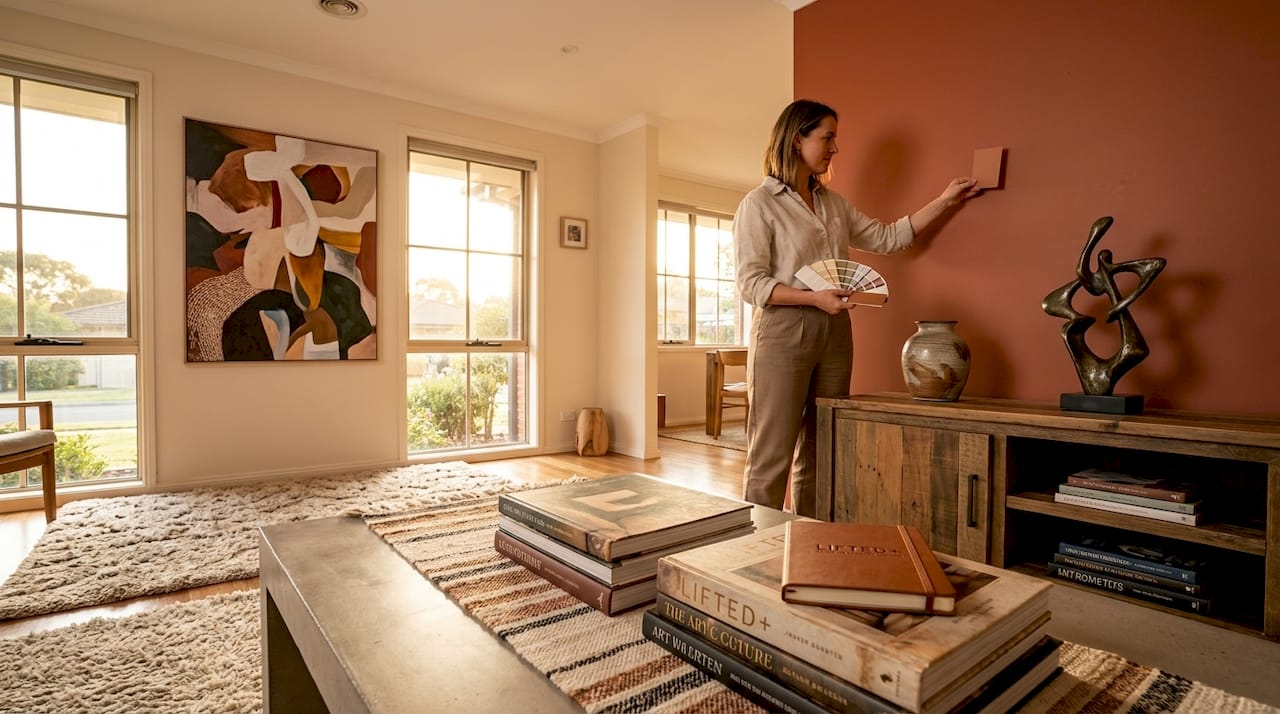
Pro Tip: When assessing a potential accent piece, hold a paint swatch or fabric sample from your room alongside it. If the colours create tension without clashing, you have found something worth considering.
1. Ceramic vessels and sculptural pottery
Ceramic vessels are among the best sculptural home accents available to any interior. They bring three-dimensional presence, tactile warmth, and an organic irregularity that mass-produced objects simply cannot replicate.
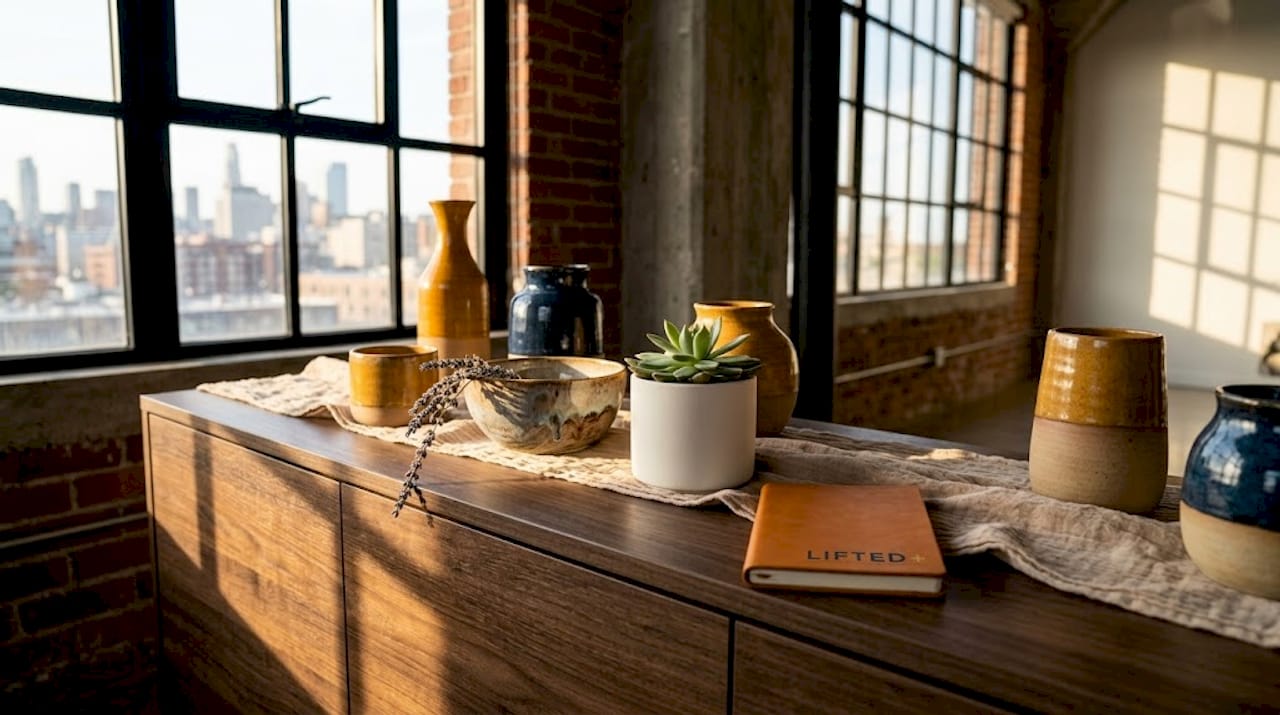
A hand-thrown stoneware vase in an earthy rust or deep slate tone placed on a sideboard or mantle becomes a focal point without demanding attention. The form does the work quietly. Grouping two or three vessels of varying heights creates visual rhythm. Keep the material consistent while varying the shape, or keep the shape family consistent while introducing a tonal shift in glaze colour.
Pro Tip: Position ceramic accents at eye level where possible, either on a shelf, console, or low plinth. Pieces placed too high lose their textural detail, which is precisely what makes them worth having.
2. Metal art pieces and bronze sculptures
Bronze and copper accents bring organic warmth and a depth that develops over time. Unlike synthetic metallics, natural bronze and copper age with character, developing a patina that makes each piece feel more specific and more alive as years pass.
A small cast-bronze figurative sculpture on a bookshelf, a hammered copper wall relief, or a forged-iron abstract piece leaning against a fireplace surround all carry significant visual weight relative to their physical size. These are the kinds of unique artistic accents that pull a space out of the safe, polite middle.
The scale of metal pieces deserves particular thought. A large forged panel becomes a focal wall. A small cast piece anchors a shelf without dominating it. Mixing scales within the same material family creates a cohesive yet layered effect.
3. Carved timber and wooden accent objects
Timber brings warmth, grain, and a sense of the natural world into interior spaces in a way that no synthetic material can approximate. Carved timber bowls, sculptural wooden forms, and turned vessels are all top sculptural home accessories that suit a wide range of interior styles.
A large carved bowl in dark walnut or pale ash placed on a dining table reads as both functional and sculptural. Abstract timber wall panels with relief carving add depth and shadow play to a feature wall. Natural materials combined with warm metals create the kind of organic harmony that makes a room feel genuinely composed rather than assembled.
4. Glass sculptures and decorative glasswork
Handblown or cast glass objects occupy a fascinating space between sculpture and light. They catch and redirect natural light, casting coloured reflections and creating movement in a room that changes through the day.
A large handblown glass vessel in deep amber or smoky cobalt placed near a window operates differently at 8am than it does at 4pm. That responsiveness to light is precisely what makes glass one of the most rewarding examples of artistic home accents. Keep surroundings relatively simple so the light play is not lost in visual noise.
5. Bold paintings and large-format prints
A single large-format painting or print is one of the most direct ways to assert visual intention in a room. It anchors the space and gives every other element something to relate to.
Scale matters enormously here. A piece that is too small for the wall it occupies looks tentative. Go larger than feels comfortable on first instinct. Bold abstract works in grounded autumnal tones, or figurative pieces with strong compositional weight, tend to hold up best over years of daily viewing. Trendy prints fade in relevance quickly; works chosen for genuine aesthetic resonance do not.
6. Wall mosaics and mixed-media installations
Mosaics and mixed-media wall pieces bring texture, layering, and a handcrafted quality that flat prints cannot achieve. A tile mosaic panel, a relief work combining timber and metal, or a layered collage piece framed behind glass all add dimensionality to a wall surface.
These are particularly effective in rooms where scale allows the detail to be appreciated. A corridor or small bathroom gains intensity from a small, intricate mosaic that would be lost in a large living room. Proportion the complexity of the work to the viewing distance.
Frame choice shapes the room as much as the artwork itself. Round or oval frames soften a room’s geometry. Deep, dark rectangular frames ground a composition and add formality. The frame is not neutral. Treat it as part of the design decision.
7. Textile wall hangings and woven art
Textile art deserves more credit than it typically receives. A large woven wall hanging in natural linen, wool, or cotton brings warmth, acoustic softness, and a kind of textural richness that no framed print can offer.
Macramé panels, tapestries, and hand-woven hangings in earthy or jewel tones work well in spaces where a room needs softening rather than sharpening. They suit high ceilings particularly well, as a tall hanging brings the visual field down to a more human scale.
Pro Tip: When grouping wall pieces, consider mixing a textile hanging with framed prints to vary the depth and material language of the arrangement. The contrast between a woven surface and a flat glass-covered print creates exactly the kind of considered tension that makes a wall interesting.
8. Artistic throws and jacquard blankets
Richly textured textiles such as jacquard-woven throws and embroidered blankets are legitimate artistic accents when chosen thoughtfully. The pattern, weave structure, and colour story of a quality throw carry as much visual intention as a framed print.
Draped over an armchair or folded across a bed end, a jacquard throw in deep ochre, forest green, or burnt sienna introduces colour and pattern to a space in a way that feels lived-in and organic. The goal is layering, not covering. Let the textile reveal the form of what it rests on rather than obscure it completely.
9. Embroidered cushions and statement pillows
Embroidered cushions are among the most accessible creative home decor ideas available, and among the most underestimated. A cushion with detailed surface embroidery or a bold woven pattern brings tactile artistry to a sofa or bed at a fraction of the cost of sculptural or painted pieces.
The key is restraint in number and confidence in choice. Two or three carefully selected embroidered cushions make more impact than eight generic ones. Choose a thread colour or motif that resonates with another element already in the room, a glazed ceramic tone, a note in a painting, the warp of a rug.
10. Artistic rugs as floor-level accents
A well-chosen rug is one of the most powerful stylish home decorations in any room. It defines zones, anchors furniture, and introduces colour and pattern at a scale that changes the entire visual field of a space.
Hand-knotted wool rugs with geometric or abstract patterning are genuine works of art. The craft involved in their making is significant, and that quality reads in the way they sit, the way they age, and the way they hold colour over years of use. Choose a rug with at least one colour that appears elsewhere in the room to create a visual thread through the space.
11. Natural elements and botanical accents
Dried botanicals, sculptural driftwood, preserved moss panels, and stone objects sit at the intersection of the natural world and interior design art examples. They bring an organic irregularity that handmade objects share but that living plants, with their maintenance demands, sometimes cannot deliver consistently.
A large piece of sculptural driftwood leaning against a wall, a ceramic vessel filled with dried pampas or eucalyptus stems, or a framed pressed botanical specimen all introduce the outside world into interior space without disruption. Viewing your home as a continuous gallery means these natural objects deserve the same intentional placement as any framed artwork.
Comparing artistic home accent types at a glance
| Accent type | Visual impact | Maintenance | Cost range | Style versatility |
|---|---|---|---|---|
| Ceramic vessels | High, tactile presence | Low | $$ to $$$ | Very high across styles |
| Metal sculptures | Strong, enduring | Low (occasional polish) | $$$ to $$$$ | High in modern and eclectic |
| Bold paintings / prints | Immediate, anchoring | Low (avoid direct sun) | $ to $$$$ | Universal |
| Textile hangings | Warm, textural depth | Medium (dust accumulation) | $$ to $$$ | High in relaxed or bohemian |
| Artistic rugs | Room-defining, grounding | Medium (regular cleaning) | $$ to $$$$ | Universal |
| Natural elements | Organic, quietly striking | Low to medium | $ to $$ | Very high, especially coastal or earthy styles |
| Mixed-media wall art | Complex, layered | Low | $$$ to $$$$ | Moderate, suits eclectic or bold spaces |
The table above reflects general ranges. The right choice depends on your room’s proportions, the light it receives, and the emotional register you are trying to achieve.
My honest take on curating artistic accents
The single most common mistake I see is choosing accents that each ask for the full room’s attention. When everything shouts, nothing is heard. What works is a hierarchy. One or two pieces that hold genuine authority. The rest should support, not compete.
I have also found that the most memorable rooms almost always contain at least one object with personal meaning alongside the curated pieces. Not sentimentality for its own sake, but specificity. A carved wooden bowl inherited from a grandparent, a small print bought on a trip, a piece of pottery thrown by a local artist. These are the things that make a room feel inhabited rather than installed.
Scale and light are where most people lose confidence and default to something smaller and safer than the space actually needs. Go larger. Let a piece hold a wall properly. The hesitation almost always costs more than it saves.
How art shapes modern interiors is a conversation worth having with your own space before you shop. Walk through your rooms and ask what each wall, shelf, or corner is currently saying. Then ask what you would prefer it to say.
— Michelle
Discover artistic accents curated for your home
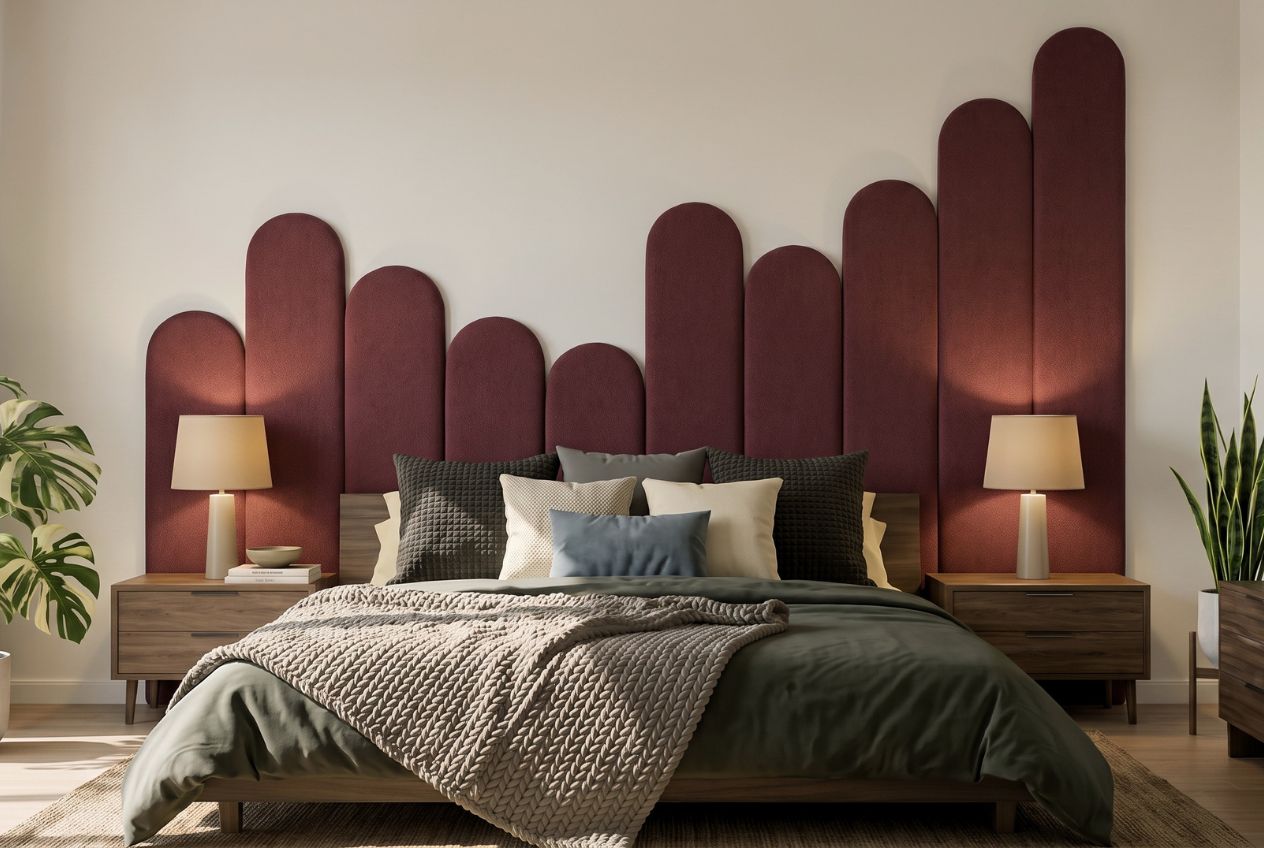
At Liftedplus, every piece in our collection is chosen because it holds its own. Our wall art, sculptural objects, and textile accents are selected for form, presence, and colour depth rather than seasonal trend cycles. Whether you are looking for a large-format statement print to anchor a living room, a ceramic vessel with real tactile weight, or a jacquard throw that introduces pattern without chaos, our range is built around the principle that well-chosen decor transforms mood as much as it transforms aesthetics. Browse our curated wall art collection and discover pieces that bring genuine presence to your space.
FAQ
What are some examples of artistic home accents?
Artistic home accents include ceramic vessels, metal sculptures, bold paintings, woven textile hangings, embroidered cushions, hand-knotted rugs, and sculptural natural objects like driftwood or dried botanicals. Each category contributes differently to a room’s texture, colour, and emotional atmosphere.
How do I choose the right scale for artistic accents?
Wall art should generally occupy around two-thirds of the wall width it anchors, and sculptural pieces should sit at eye level where their detail can be appreciated. Measuring your space before selecting a piece is the most reliable way to avoid accents that underwhelm or overwhelm.
Can textiles count as artistic home accents?
Yes. Jacquard throws, embroidered cushions, and hand-knotted rugs are genuine artistic accents when chosen with the same intentionality as a framed work. Their craft, pattern, and colour story carry as much visual weight as any wall-hung piece.
How many artistic accents should I have in one room?
Quality and hierarchy matter more than quantity. One or two pieces that hold real visual authority, supported by a few quieter accents, will always outperform a room where every object competes for attention.
Do I need to match artistic accents to my existing decor?
Not match exactly, but relate. Pull from colours and forms already present in the room to create contrast that feels deliberate. The goal is harmony through intention, not uniformity through identical tones or styles.