
TL;DR:
- Design-conscious living emphasizes purpose, durability, and responsibility over trends, fostering homes that reflect values and wellbeing. It prioritizes intentional choices, natural materials, and sustainable practices to create spaces that grow with and truly serve their inhabitants. This approach supports emotional attachment, environmental responsibility, and long-term comfort, shaping future home styling in New Zealand.
Most people assume design-conscious living means owning less, painting everything white, and resisting any urge that feels indulgent. That is a comfortable misconception, but it misses the point entirely. What is design-conscious living, really? It is a practice of intention: choosing what enters your home based on longevity, meaning, and the genuine contribution each piece makes to your wellbeing. This guide will show you how to build a home that holds both beauty and purpose, one that reflects your values, honours sustainability, and evolves with you through New Zealand’s distinct seasons and sensibilities.
Table of Contents
- Understanding design-conscious living
- The wellness and sustainability foundation of design-conscious homes
- Considered living versus minimalism: intention before acquisition
- Curating a sustainable, soulful home without starting over
- Designing spaces that reflect your lifestyle and values
- Why design-conscious living is the future of home styling in New Zealand
- How to bring design-conscious living into your New Zealand home
- Frequently asked questions
Key Takeaways
| Point | Details |
|---|---|
| Intentionality matters | Design-conscious living is about mindful, purposeful choices aligning with your values. |
| Wellness is foundational | Healthy materials, air quality, and natural light support wellbeing at home. |
| Sustainability equals common sense | Choosing durable, reparable pieces benefits both you and the environment. |
| Editing enhances style | Refining what you own and elevating lighting can refresh your home without overhaul. |
| Design for life | Spaces should reflect your routines, comfort, and evolving personal story. |
Understanding design-conscious living
Design-conscious living is not a style. It is a way of thinking before you act. The question is never “does this look good?” but rather “does this belong here, and why?” That single shift in framing changes everything about how you build and inhabit a home.
At its core, design-conscious living asks “why before acquiring what”, evaluating longevity and responsibility to both materials and makers. You are not simply decorating a room. You are making a series of considered commitments, each one shaped by your values, your lifestyle, and the kind of home you want to grow into.
This is meaningfully different from minimalism, which is often misread as a visual style rather than a philosophy. Minimalism can still be driven by trend, still be reactive, still result in a home that feels empty rather than calm. Design-conscious living, on the other hand, is not constrained by how much you own. A home full of warmth, colour, and layered texture can be entirely design-conscious, provided every element was chosen with care and intention. A design-led home makes this distinction clearly: it is about the quality of thought behind each decision, not the quantity of objects on a shelf.
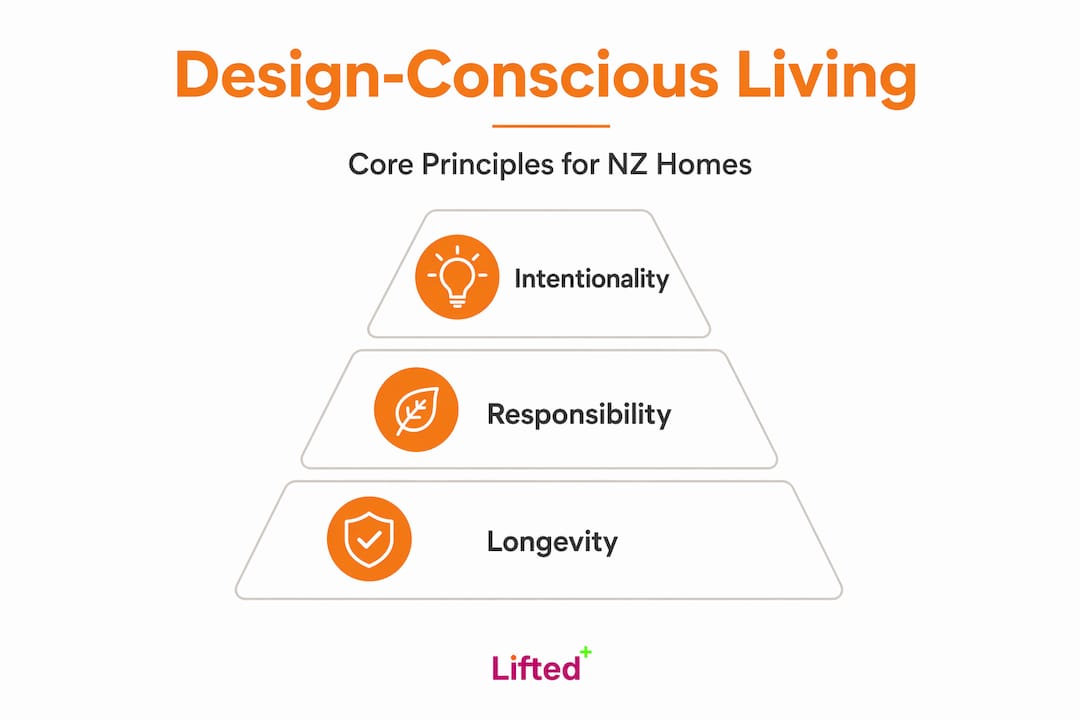
Three principles underpin a design-conscious approach:
Intentionality. Every item earns its place through function, meaning, or both. Impulse purchases and trend-driven fills have no seat at this table.
Responsibility. Materials, makers, and the environmental footprint of each piece matter. Where something comes from is as relevant as how it looks.
Longevity. Objects are chosen to last and to matter. A piece that will still feel right in a decade is worth more than three pieces that excite you for a season.
The wellness and sustainability foundation of design-conscious homes
With a clearer definition laid out, let us explore the wellness and sustainability aspects that shape design-conscious homes. Because design-conscious living is not purely about aesthetics. The best interiors quietly support the people living inside them, in ways that are often felt before they are understood.
Wellness in interiors encompasses low-VOC paints, natural materials, thoughtful daylighting, and layouts that support daily routines. These are not luxury additions. They are the architecture of a home that genuinely serves you. Poor acoustics create anxiety. Synthetic materials off-gas invisible irritants. Layouts that fight your natural movement patterns create friction you can not name but always feel.
Sustainability, too, has shifted in meaning. In 2026, eco-friendly design is increasingly viewed as common sense, centred on objects that last longer and perform better rather than items loaded with green credentials but built to be replaced. The sustainable choice is almost always the better-quality choice. This reframing matters, because it removes the sense of sacrifice that once surrounded eco-conscious interiors.
“A home that is loved, cared for, and designed to age gracefully uses resources more wisely than one stacked with green certifications but never truly cherished.” This is the quiet logic at the heart of sustainable luxury.
Natural materials bring this thinking to life in the most tactile way. Timber, stone, and cork breathe with a home rather than against it. They age with character, improve acoustics, and ground a space in something that feels irreducibly real. Paired with considered interior design trends NZ homeowners are already responding to, these materials become the foundation of interiors that feel both current and enduring.
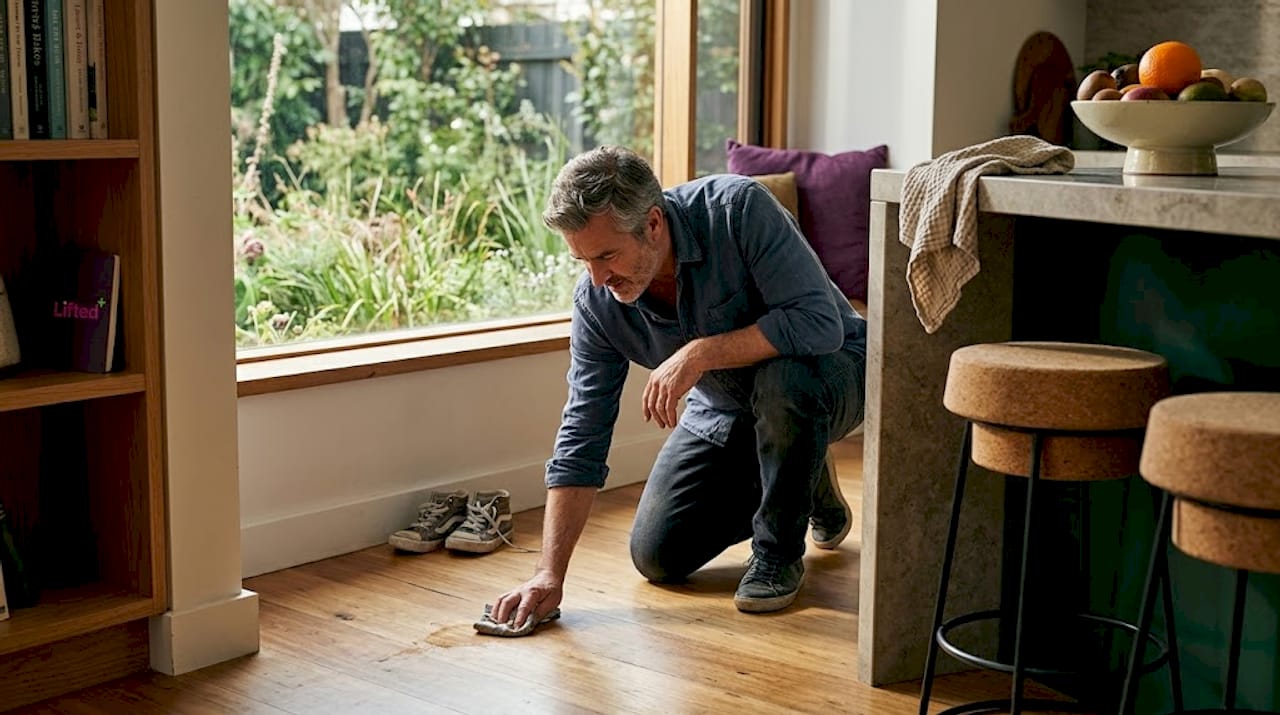
Pro Tip: Before selecting any new material or furniture finish, ask whether it can be cleaned, repaired, or refreshed at home. Pieces that age well and respond to care will always outlast those that simply look good on day one.
Light, too, belongs in this conversation. Natural daylight regulates your body’s rhythms. Layered artificial lighting supports every mood and task your home demands across the day. When you design your lighting with as much intention as your furniture, the room begins to breathe on its own terms.
Considered living versus minimalism: intention before acquisition
Understanding wellness and sustainability sets the stage to distinguish design-conscious living from minimalism and grasp the importance of intention. This distinction is worth sitting with, because the two are frequently collapsed into one idea when they are actually quite different in their motivations.
Minimalism, as a lifestyle movement, focuses on reduction. The goal is often to own fewer things, to achieve a visual quietness, or to resist consumer culture through restraint. That is a valid and worthwhile pursuit. But it is not the same as considered living, which is about intention and responsibility rather than restraint or trend-following. You might own a great many things in a design-conscious home. What defines them is that each one was chosen with purpose and is still earning its place.
A useful comparison:
| Dimension | Minimalism | Design-conscious living |
|---|---|---|
| Primary driver | Reduction, visual restraint | Intentional ownership, meaning |
| Relationship to trends | Often reactive against trends | Indifferent to trends entirely |
| Object count | Fewer as a goal | Irrelevant; quality over quantity |
| Materials focus | Clean, neutral, simple | Durable, responsible, characterful |
| Success measure | How little you own | How well each piece serves your life |
A practical way to apply this thinking involves a straightforward series of questions before any acquisition. You can explore minimalism with colour as one entry point, but the process applies regardless of your aesthetic:
- Will this item still feel meaningful in five years?
- Does it serve a function, hold personal significance, or contribute genuinely to the room’s atmosphere?
- Is it made responsibly, from materials that will last and that I can care for?
- Am I choosing this from genuine want, or from the ambient pressure of a trend cycle?
If the answers are honest, they will guide you well. Design-conscious living is not about passing an austerity test. It is about building a home that holds your real life, not an aspirational performance of it.
Curating a sustainable, soulful home without starting over
With a strong theoretical foundation, let us move into concrete, sustainable strategies to curate your home with care and soul. Because one of the most liberating truths of design-conscious living is this: you do not need to begin again.
Editing your existing possessions thoughtfully, rather than wholesale redesigning, maintains coherence and breaks the cycle of endless shopping. Walk through your home as a guest might. Notice what draws the eye naturally, and what simply takes up space without speaking. The process of curating is not about removal for its own sake. It is about allowing your strongest pieces to be seen.
Colour plays a particular role here. A calm, cohesive colour story does not mean a muted or colourless one. It means the shades across your rooms carry a logic, a quiet conversation between them. Warm autumnal tones, earthy terracottas, and deep ochres can be layered with restraint and still feel deeply alive. The palette sets the emotional temperature of a home before a single object is placed.
Then there are the micro-moments: the corner shelf holding one sculptural object chosen for the way it catches afternoon light, the wall where a single work of art holds the room rather than a gallery of frames competing for attention. These moments are what design-conscious curation actually looks like in practice. They evoke something personal, something that could not have been assembled by algorithm. Explore ideas for modern artistic interiors that treat individual pieces with the attention they deserve.
Pro Tip: When assessing your current decor, resist the urge to reorganise everything at once. Edit one room over a weekend. Live with the result for two weeks before making further changes. Spaces need time to settle, and so do your instincts about them.
Design-conscious spaces are also not finished spaces. They evolve. They accumulate meaning over time. A home that grows with you, absorbing new objects as your life changes while releasing what no longer fits, is far richer than one that was styled to a fixed point and then sealed in place.
Designing spaces that reflect your lifestyle and values
Finally, let us consider how to design spaces that truly reflect your way of living and your evolving values. The most beautiful interiors you will ever encounter share a quality that transcends any particular style: they feel inhabited. They feel like the person who lives there.
Homes designed with intention prioritise flow, ergonomics, and an honest understanding of daily routines before any decorative decisions are made. The kitchen bench height, the way a reading chair faces the window, the placement of storage that means your morning routine flows without friction. These are design decisions too, and they matter more to lived experience than the colour of your cushions.
Practical principles for designing spaces that genuinely reflect you:
Function before form. Identify how each room is actually used across a full day. Then design storage, furniture placement, and lighting around that reality.
Furniture that serves dual purposes. In New Zealand homes, where spatial generosity is not always a given, pieces that perform multiple roles earn their place on both functional and aesthetic terms.
Quality over volume. One beautifully proportioned armchair, placed where it belongs, anchors a room. Four average chairs do not. Explore timeless vibrant interior design that treats scale and proportion as fundamental tools, not afterthoughts.
Personal narrative. Your home should tell a story that is yours. Objects with history, pieces acquired during meaningful periods, artwork that genuinely moves you. These are the things that hold a room in a way that no catalogue piece ever quite manages.
When your home reflects your values and your life honestly, it does not need constant updating. It simply deepens.
Why design-conscious living is the future of home styling in New Zealand
Having explored the practical steps, here is our view on why design-conscious living is not simply a movement but a decisive shift shaping how New Zealanders will inhabit their homes for the coming decades.
We are living in a period of genuine climate anxiety, where every consumer decision carries weight most of us are quietly aware of. Design-conscious living is, in part, a rational response to that pressure. It offers a way to inhabit your home beautifully without the discomfort of knowing you are consuming carelessly. It replaces the exhaustion of trend-chasing with the satisfaction of ownership that deepens over time.
There is also something quietly revolutionary about the idea that a home loved and aged well is more resource-efficient than one loaded with green features but fundamentally unloved. It places emotional attachment at the centre of sustainability, which is where it actually belongs. When you love what you own, you repair it. You tend to it. You do not replace it on a whim.
New Zealand homeowners are particularly well-positioned for this approach. There is already a cultural attunement here to landscape, materiality, and the rhythms of the natural world that lends itself to design-conscious thinking. The connection between how we build and care for our homes and how we relate to the environment is not abstract in this country. It is felt.
The impact of thoughtful interior design trends on how we live and feel within our homes is real and measurable. A home that holds your story, that is respected and cherished across years, offers a quality of experience that no “on-trend” renovation can manufacture. That is the future worth building toward.
How to bring design-conscious living into your New Zealand home
To help you put these principles into practice, Lifted+ offers resources and products designed for thoughtful, vibrant New Zealand homes.
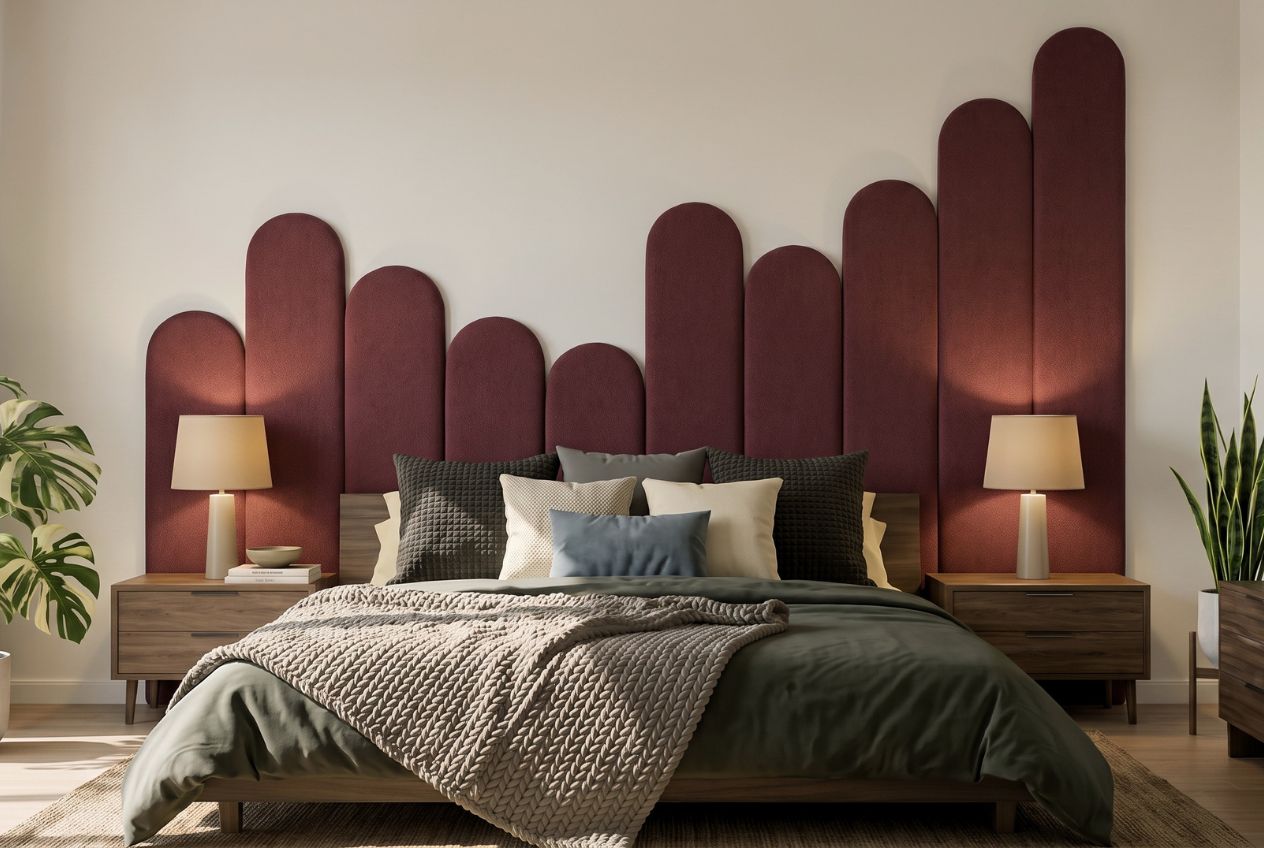
Lifted+ curates pieces chosen for form, presence, and the way they hold a room: colour-led furniture, sculptural lighting, and wall art that contributes genuine atmosphere rather than filler. Every collection reflects the kind of considered intention this article has explored, with seasonal palettes that honour the shifts in New Zealand’s light and landscape.
Begin with personalising your space using our editorial guides, which help you identify the pieces that will genuinely serve your home rather than simply fill it. Explore modern home decor NZ collections built around longevity and artful impact. And for one of the most transformational decisions you can make, our resource on selecting lighting NZ homeowners will find practical will show you how the right light can reshape a room entirely. Good design begins with a decision. Start with one.
Frequently asked questions
What materials are best for design-conscious living interiors?
Materials like low-VOC paints and natural materials such as timber, stone, and cork are ideal because they support indoor air quality, age with character, and contribute to a genuinely healthy home environment.
How does design-conscious living differ from minimalism?
Design-conscious living is about intentional ownership and responsibility, not restraint or trend-following, so a richly layered home can be just as design-conscious as a spare one, provided every element was chosen with genuine purpose.
Can I apply design-conscious living without renovating?
Yes. Editing your existing possessions thoughtfully and upgrading your lighting or colour story can transform a home sustainably and significantly, without touching a single wall.
Why is sustainability key in design-conscious living?
Because products that last longer and perform better are the practical backbone of design-conscious homes, sustainability is less a sacrifice than a natural alignment between quality, longevity, and environmental responsibility.
How can lighting impact design-conscious living?
Thoughtful lighting elevates mood and supports routines, and it can instantly shift the atmosphere of a space, making it one of the highest-return investments a design-conscious homeowner can make.