
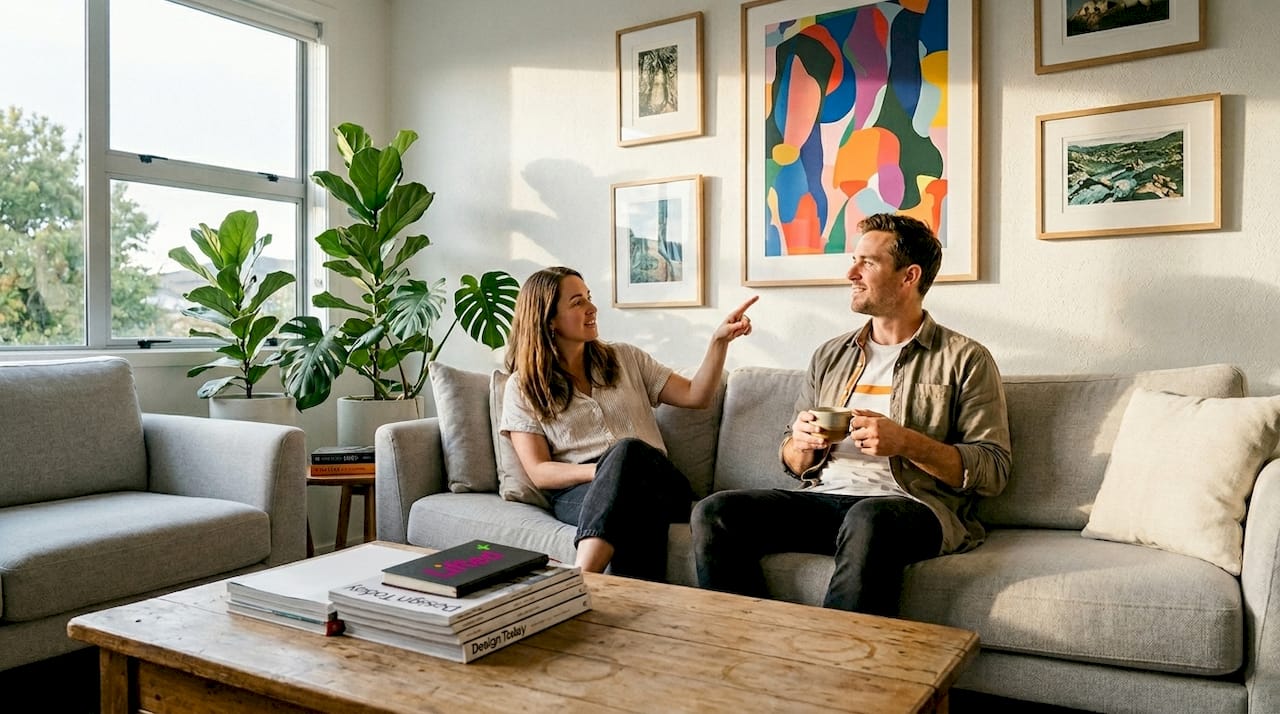
TL;DR:
- Choosing wall art depends on room mood, colour palette, and scale.
- Mixing styles is effective when guided by colour or frame consistency.
- Breaking traditional rules intentionally creates personalized and striking interior spaces.
A blank wall holds more tension than most people expect. It sits there, waiting, and the longer you leave it, the harder the decision feels. Abstract or minimalist? A gallery arrangement or one bold statement piece? For New Zealand homeowners trying to shape a space that feels genuinely theirs, the range of wall art styles available today is both exciting and quietly overwhelming. The good news is that choosing the right style does not require a design degree. It requires a clear framework, an honest read of your space, and a little confidence to back your instincts.
Table of Contents
- How to choose the perfect wall art style for your home
- The ultimate wall art styles list for modern homes
- Comparing wall art styles: minimalist, bold, and everything in between
- Expert tips for styling and mixing wall art in modern NZ homes
- The surprising truth about wall art style ‘rules’
- Want wall art that elevates your modern NZ home?
- Frequently asked questions
Key Takeaways
| Point | Details |
|---|---|
| Style starts with intention | Assess your space and mood before selecting wall art to ensure a cohesive look. |
| Mix and match with care | Choose a unified palette or frame style to effortlessly combine different art types. |
| Scale impacts drama | Larger or grouped pieces can anchor a space, while small art needs breathing room. |
| Gallery walls are versatile | Gallery walls let you tell a unique story and adapt as your taste evolves. |
How to choose the perfect wall art style for your home
Now that you know why choosing the right style matters, let’s break down how designers recommend approaching art selection.
The starting point is always the room itself. Before you consider subject matter or colour, ask what mood the space is already expressing. A light-filled living room with warm timber floors invites something different from a moody, dark-painted study. Your art should not fight the room. It should finish it.
Colour palette is the next consideration, and it works in two directions. You can choose art that mirrors your existing tones for a harmonious, layered feel, or you can select something that deliberately contrasts to create visual energy. Neither approach is wrong. What matters is that the choice is intentional rather than accidental.
Scale is often where people go wrong. A small print on a large wall looks lost, and an oversized canvas in a narrow hallway can feel suffocating. The general rule of thumb is that choosing wall art size relative to furniture width is a reliable guide: aim for a piece that spans roughly two thirds of the furniture it sits above. For rooms with unusual proportions, our art size guide and specific advice on art for tall walls can help you calibrate.
Frame style is another layer worth thinking through. Classic timber or gilded frames suit traditional and eclectic interiors. Thin black or white metal frames complement minimalist and contemporary spaces. Frameless prints or canvases feel more casual and modern. According to methodologies for selecting wall art, considering scale, colour psychology, emotional impact, framing styles, visual weight, and placement are all key factors in the selection process.
A brief self-reflection exercise can help cut through the noise. Ask yourself: Do I respond to calm or stimulation? Do I want the art to anchor the room or add playfulness? These answers narrow the field quickly.
The checklist below captures the essentials before you buy:
- Room mood and existing colour palette
- Furniture style and scale
- Frame preference (classic, modern, frameless)
- Budget and whether you prefer original work or quality prints
- Personality: calm and restrained versus bold and expressive
Pro Tip: Hang your art so the centre of the piece sits approximately 145 cm from the floor. This aligns with average eye level and ensures the art feels grounded within the room rather than floating above it.
The ultimate wall art styles list for modern homes
With your selection criteria in mind, let’s explore the range of wall art styles that can transform your space.
The common wall art styles span a wide spectrum: Abstract, Contemporary, Minimalist, Bohemian, Pop Art, Traditional, Impressionist, Expressionist, Gallery Walls, Mixed Media, Sculptural Installations, Vintage, Surrealist, Botanical, Nature-Inspired, Digital Art, and an expanding family of Boho sub-styles. Understanding what each one brings to a room allows you to make choices rooted in intention rather than impulse.
Abstract art uses form, colour, and texture to communicate emotion rather than representation. It suits modern architectural spaces particularly well because it holds visual interest without dictating a narrative. Minimalist art strips everything back to the essential, relying on negative space and restrained palettes to create calm. It works beautifully in smaller rooms where visual clutter would feel overwhelming.
Botanical and Nature-Inspired styles have surged in popularity across New Zealand interiors, and with good reason. Large-scale leaf prints or delicate pressed flower compositions bring organic warmth to contemporary spaces without the fussiness of traditional florals. Bohemian art, by contrast, thrives on layering: woven textiles, earthy tones, and unexpected combinations that feel collected rather than curated.
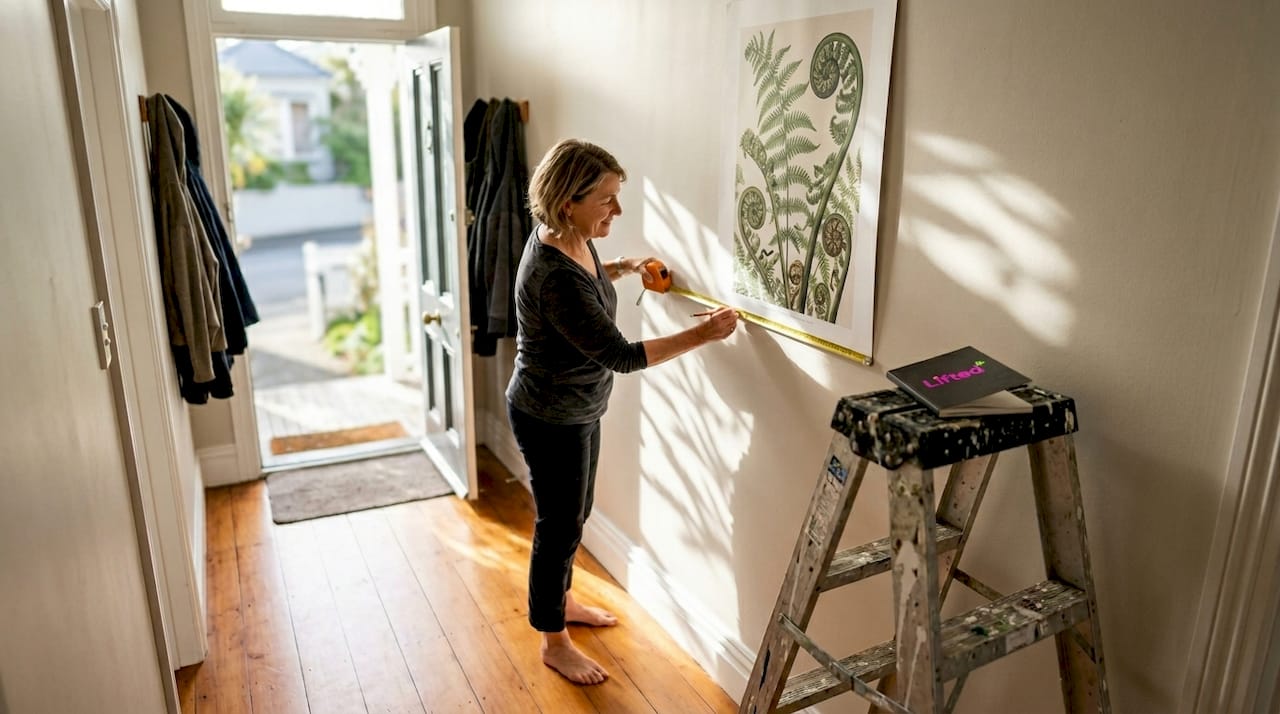
Gallery Walls allow you to tell a story across a large surface, mixing photography, illustration, and original work into something personal. They take planning, but the unique wall art types suited to gallery arrangements are broader than most people realise. For smaller homes, wall art ideas for apartments show how gallery concepts can be scaled down without losing impact.
For a quick overview, here is a style comparison table:
| Style | Visual tone | Best suited room | Key quality |
|---|---|---|---|
| Abstract | Dynamic, expressive | Living room, study | Emotional depth |
| Minimalist | Calm, restrained | Bedroom, bathroom | Breathing space |
| Bohemian | Layered, warm | Reading nook, lounge | Personal texture |
| Botanical | Organic, fresh | Kitchen, hallway | Natural warmth |
| Gallery Wall | Eclectic, personal | Living room, stairwell | Storytelling |
For a broader look at essential styles overview, the range of options continues to grow as digital art and mixed media formats gain ground.
Comparing wall art styles: minimalist, bold, and everything in between
Having outlined the major wall art styles, let’s see how they compare when put side-by-side for real-world spaces.
Contrasting minimalism and maximalism reveals very different strengths. Minimalist work creates calm and clarity, making it ideal for bedrooms or spaces used for rest. Bold styles, including Abstract, Boho, and expressive Gallery Walls, bring energy and personality that can pull a living room out of the safe, polite middle.
| Style | Visual weight | Emotional tone | Best room size | Flexibility |
|---|---|---|---|---|
| Minimalist | Light | Calm, serene | Small to medium | High |
| Abstract | Medium to heavy | Dynamic, thought-provoking | Medium to large | High |
| Bohemian | Heavy | Warm, eclectic | Any | Medium |
| Traditional | Medium | Classic, grounded | Large | Low |
| Gallery Wall | Heavy | Personal, narrative | Large walls | Very high |
The comparison above makes one thing clear: no single style wins across all situations. A room’s size and purpose should shape the choice more than aesthetic trends.
“The most successful interiors we have seen mix at least two styles, unified by a consistent colour or frame choice. The tension between styles, when held together by that one shared element, creates rooms that feel alive rather than staged.”
For rooms with strong architectural presence, modern architectural wall art that matches the structural scale of the space creates a more convincing dialogue between art and architecture. If you want one piece to carry the room, our guide to statement art for interiors outlines what makes a single work genuinely anchor a space.
Traditional styles carry a weightiness that can feel either grounding or stiff depending on context. In a modern New Zealand home, a single traditional piece placed within a contemporary setting often reads as intentional eclecticism rather than stylistic confusion, particularly when framing bridges the two worlds.
Expert tips for styling and mixing wall art in modern NZ homes
Now that you’ve compared the options, here are professional strategies for styling and combining wall art effectively.
Mixing styles is less risky than it sounds when you apply the right constraints. Colour is the most reliable unifying device. If two pieces share even one tone from the same family, they will read as related. Frame consistency achieves the same result through a different route: matching all frames in black, natural timber, or white creates visual cohesion regardless of how different the artworks themselves are.
For smaller rooms, restraint is a form of confidence. One well-chosen piece with breathing room around it holds more presence than three pieces competing for attention. Gallery wall alternatives are worth exploring if you want the layered effect without the complexity of arranging multiple frames.
To build a gallery wall that works, follow these steps:
- Lay all pieces on the floor first to test the arrangement before marking the wall.
- Choose a centre point and build outward rather than starting from a corner.
- Maintain consistent spacing between frames, ideally between five and eight centimetres.
- Mix frame sizes but keep the overall silhouette of the arrangement relatively contained.
- Step back at each stage and assess from across the room, not from up close.
For larger rooms, the challenge shifts from restraint to scale. Choosing bold art that can hold a double-height or open-plan space requires thinking about visual weight across a distance. A piece that looks striking in a gallery may dissolve into the background of a spacious New Zealand home. Our guide to large wall art for lounges addresses exactly this challenge.
New Zealanders have a particular advantage here. The local landscape, indigenous design traditions, and multicultural influences mean that genuinely unique combinations are everywhere to draw from. Mixing a Maori-influenced woven textile with a clean abstract print and a botanical illustration is not a style clash. It is a story.
The success of mixing art styles consistently relies on unified colour palettes or frames, careful attention to visual weight and scale, and the understanding that gallery arrangements offer genuine flexibility for personal storytelling.
Pro Tip: Avoid the impulse to fill every wall at once. Live with one or two pieces first. The negative space will tell you where the next piece belongs.
The surprising truth about wall art style ‘rules’
After all the technical and aesthetic tips, here is our take on making your home truly yours.
The rules exist for good reason. Eye-level hanging, scale proportions, colour harmony: these are tools that help, not commandments that must be obeyed. The most memorable homes we encounter have one thing in common. Their owners ignored at least one rule on purpose.
A piece hung deliberately low to anchor a reading corner. An oversized abstract canvas in a small bedroom that fills the entire wall with colour and life rather than trying to stay politely small. These choices feel considered, not careless. They signal a person who knows the rules well enough to break them thoughtfully.
In New Zealand, we have a cultural instinct toward understatement that can sometimes tip into timidity with interiors. We see it in the safe neutrals, the cautious sizing, the reluctance to commit to something genuinely striking. Creative gallery alternatives can be one way into experimentation, but sometimes the simplest move is the most powerful: buy the piece that stops you in your tracks and trust that response.
Style rules give you a foundation. Your instinct gives the room its character.
Want wall art that elevates your modern NZ home?
Ready to transform your space with confidence? Here is where to start your search and find guidance.
At Lifted+, we have done the curation work so you do not have to spend hours sorting through options that do not quite fit. Our curated wall art collection brings together pieces selected for their visual weight, colour presence, and ability to anchor a modern New Zealand interior.
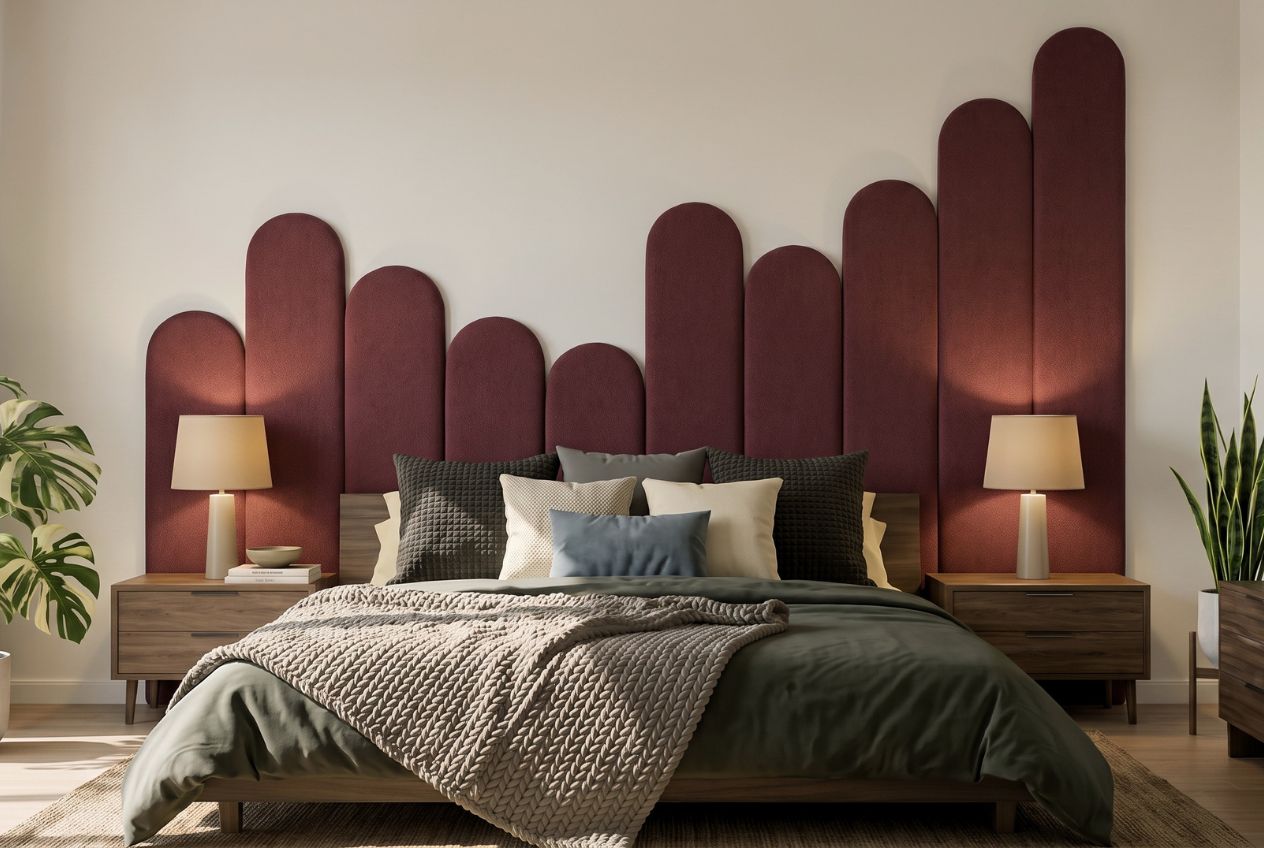
If you are still working out what you want your space to say, our guide on decor for mood and style is a helpful next step. Or simply browse the full shop art and decor collection and let the pieces do the talking. Great wall art is out there. Sometimes you just need the right starting point.
Frequently asked questions
What are the top wall art styles for small spaces?
Minimalist and single statement pieces work best in small rooms, creating genuine impact without visual congestion. The right style for small spaces prioritises breathing room over variety.
How do I mix different wall art styles without clashing?
Stick to a unified colour palette or consistent frame style, and balance visual weights across the arrangement for a cohesive look. Mixing art styles successfully relies on that one shared element holding everything together.
What height should wall art hang for best effect?
The centre of the artwork should sit around 145 cm from the floor, which aligns with average eye level and keeps the piece grounded in the room. Optimal art placement at this height works across most room types.
Are gallery walls still in style in 2026?
Yes, gallery walls remain popular and continue to offer one of the most flexible and personalised options for modern interiors. Gallery walls as a style choice allow for storytelling that single pieces simply cannot achieve.