

Genuine removable, peel-and-stick wall panels in Australia typically cost $30–$120 per square metre for materials alone, with most renter-friendly projects landing between $150 and $600 in total depending on wall size and material choice. Australian guides place the all-in range at $20–$300 per square metre across all panel types, but the lower end of that band usually means construction-grade products that need adhesive or nails. For renters who want colour and texture without touching a drill, DwellForms™ modular PET felt kits sit at the practical mid-range and are the recommended no-drill option for feature walls in Australian rentals.
Three ways to keep removable wall panel costs down from the start:
- Choose PVC or foam peel-and-stick panels for the lowest per-square-metre material cost, or PET felt kits for better reusability and design impact at a modest premium.
- Order a sample kit before committing to a full order; many suppliers credit the sample cost against your first kit purchase.
- Install yourself. A standard accent wall takes most people two to four hours and eliminates the largest single cost variable.
Key takeaways
Removable wall panels in Australia typically cost $30–$120 per square metre for materials, with DIY project totals ranging from $160 to $1,380 depending on wall size, material tier, and consumables.
| Point | Details |
|---|---|
| Material cost range | True removable panels cost $30–$120/m² in Australia; PVC and foam sit at the low end, PET felt kits at the mid-to-upper range. |
| Add 10–15% waste | Always apply a waste allowance to your net wall area before calculating panel count to avoid shortfalls. |
| Consumables matter | Budget an extra $50–$200 for adhesive pads, trim, delivery, and a sample kit on any project. |
| DIY saves significantly | A standard accent wall takes 2–4 hours DIY; professional installation adds $240–$900 in labour for most projects. |
| Renter-first recommendation | DwellForms™ modular PET felt kits are the recommended no-drill option for colour-led renter feature walls in Australia. |
Table of Contents
- How much do removable wall panels cost by material?
- What pushes removable wall panel pricing up or down?
- DIY versus professional installation: what does it actually cost?
- How to measure your wall and estimate your budget
- Small extras that add up: consumables and hidden costs
- Renter-friendly choices: how to avoid wall damage and landlord risk
- How DwellForms™ kits map to real Australian budgets
- Where and how to buy removable wall panels in Australia
- The real value of colour without commitment
- DwellForms™ sample kits and starter kits for Australian renters
- Sources
- FAQ
How much do removable wall panels cost by material?
The phrase “wall panels” covers a wide spectrum of products, and the removable wall panel costs you’ll pay depend almost entirely on which material you choose. Renters should draw a clear line between true removable, adhesive-backed kits and construction-grade panels that need nails, battens, or permanent glue. Material choice drives the widest cost variation, with basic MDF starting around US$1 per square foot and premium solid hardwood exceeding US$40 per square foot at the top of the market.
For the peel-and-stick and no-drill removable category specifically, four material types dominate the Australian market.
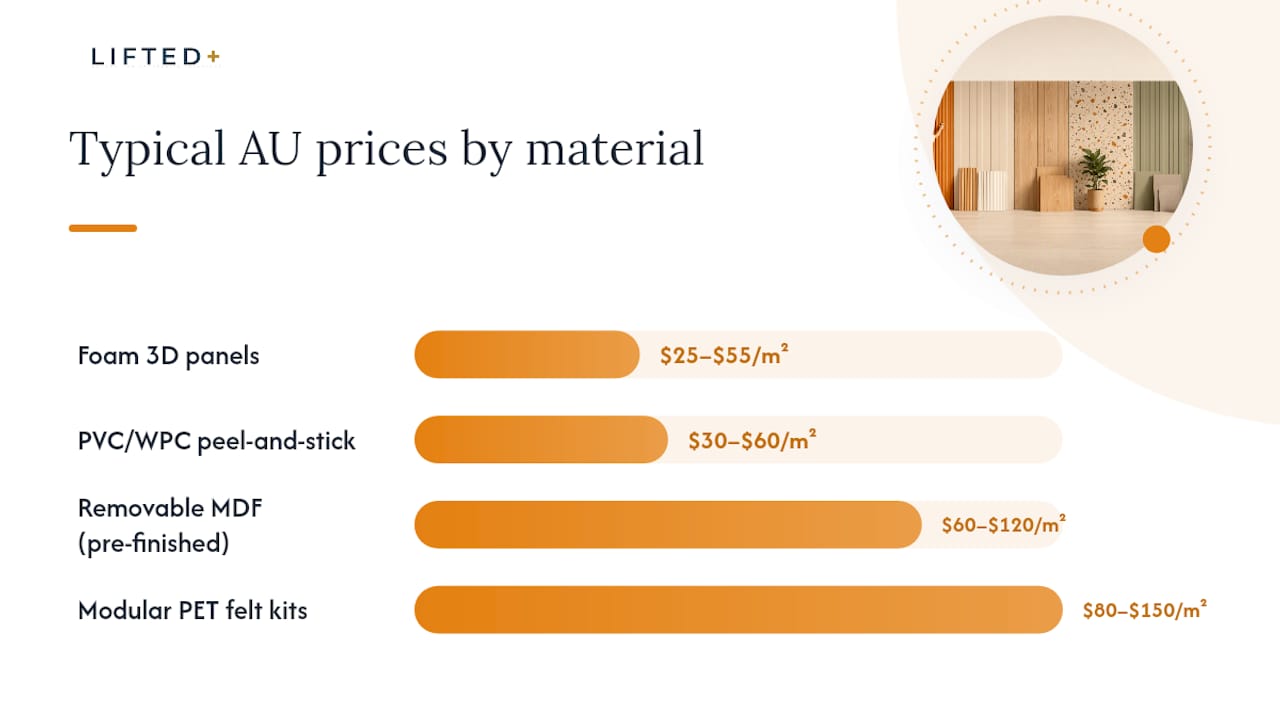
PVC and WPC peel-and-stick panels sit at the entry level, typically $30–$60 per square metre for materials. They’re pre-finished, water-resistant, and straightforward to cut. The trade-off is that cheaper PVC panels can feel lightweight, and the adhesive backing varies considerably in quality between brands.
Foam 3D panels occupy a similar price band, often $25–$55 per square metre. They’re the lightest option and the easiest to handle solo, but they dent more readily and rarely survive a move intact. Think of them as a one-rental solution rather than a long-term investment.
Removable MDF and ribbed decorative panels, when sold with peel-and-stick backing, typically run $60–$120 per square metre for pre-finished versions. Unfinished MDF panels cost less upfront, but you’ll need to add primer and paint, which adds $15–$30 per square metre in finishing costs and several hours of prep time. Primed linear MDF panels from specialist retailers commonly retail at $185–$280 per listed panel size, which translate to a meaningful per-square-metre cost once you account for coverage.
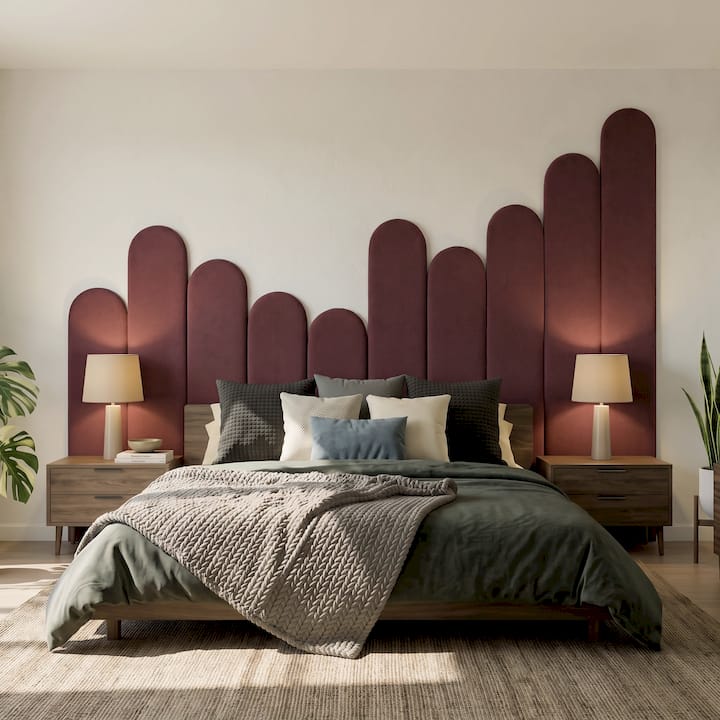
Modular PET felt kits sit at the mid-to-upper end of the removable category, typically $80–$150 per square metre for materials, but they’re precision-cut, pre-finished in colour, and designed to be removed, repacked, and reinstalled in a new home. That reusability changes the cost calculation entirely for renters who move every two or three years.
| Material | Typical AU price (materials only) | What the price buys | Typical lifespan (removable use) |
|---|---|---|---|
| Foam 3D panels | $25–$55/m² | Lightweight texture, easy DIY, limited durability | 1–2 rentals |
| PVC/WPC peel-and-stick | $30–$60/m² | Pre-finished, water-resistant, moderate hold | 2–3 years |
| Removable MDF (pre-finished) | $60–$120/m² | Crisp finish, heavier, better visual weight | 3–5 years |
| Modular PET felt kits | $80–$150/m² | Colour-led, sculptural, fully removable and reusable | 5+ years, multiple moves |
Pro Tip: If you’re renting and plan to move within three years, spending more on a modular kit that travels with you often costs less per use than buying cheap foam panels twice.
What pushes removable wall panel pricing up or down?
Material choice is the single biggest lever, but several other factors shape the final number on your invoice.
Backing and adhesive system. Panels with tested removable adhesive pads built in cost more than bare panels you’ll need to tape yourself. That premium is worth paying for renters. A panel that costs $10 less but requires construction adhesive is not a removable panel at all.
Panel coverage size. Larger individual panels cover more wall per piece, which reduces the number of joins, cuts, and handling steps. Fewer pieces generally means faster installation and less waste, which lowers the effective cost per square metre even when the panel’s sticker price looks higher.
Pattern complexity and surface finish. Geometric or sculpted profiles require more precise manufacturing than flat sheets. Pre-finished panels with factory colour or texture command a premium over raw or primed boards, but they eliminate your finishing labour entirely.
Shipping and regional availability. Australia’s geography creates real price variation. Buyers in major metropolitan centres can sometimes access local stock or showrooms, but buyers in regional areas often absorb freight costs that add $30–$80 or more to a mid-sized order. NZ retail data shows typical panel retail prices around NZD$45–$120 depending on size and type, with larger retailers carrying mainstream MDF and PVC ranges. Australian pricing follows a comparable pattern, though freight premiums for remote delivery can push totals noticeably higher.
The practical implication: check whether a supplier ships from a local warehouse or fulfils from overseas, and factor delivery into your per-square-metre comparison before you commit.
Ceiling height and site complexity can materially affect installation labour and total project cost, a point industry sources confirm for moveable and modular wall systems generally.
DIY versus professional installation: what does it actually cost?
For genuine no-drill, adhesive-pad panels, professional installation is optional rather than necessary. Most renters handle a standard accent wall themselves in two to four hours. A full living-room feature wall covering 10–12 square metres typically takes four to six hours for a careful DIY install, including measuring, cutting, and fitting.
When you do hire a tradie or handyperson for a simple peel-and-stick job, expect to pay roughly $60–$120 per hour in most Australian cities, or $80–$150 per square metre all-in for a basic no-drill install. A small accent wall of around 4 square metres could add $240–$480 in labour on top of materials. Installed cost estimates for wall panels commonly run US$2–$20 per square foot for materials plus installation combined, which translates to roughly AU$65–$650 per square metre at the full range. The lower end of that band reflects simple peel-and-stick work; the upper end reflects complex timber or custom systems.
Tasks that add time and cost to any install:
- Pattern alignment across multiple panels, especially diagonal or geometric layouts
- Cutting around power points, cornices, and skirting boards
- Ceilings above 2.7 metres, which often require a second person or scaffolding
- Uneven or textured walls that need preparation before adhesive pads will hold
Professional installation makes sense for renters when a landlord requires a specific finish standard, when the pattern is complex enough that a misaligned cut would waste expensive panels, or when the timeline is tight and the wall needs to look right immediately.
Pro Tip: Clean the wall surface with a damp cloth and allow it to dry fully before installing any adhesive-backed panel. Dust and residue are the most common reasons adhesive pads fail to hold, and a clean wall costs nothing to prepare.
How to measure your wall and estimate your budget
Getting the panel count right before you order prevents both shortfalls and expensive over-ordering. The method is straightforward.
- Measure the wall’s total width and height in metres. Multiply them to get gross area in square metres.
- Subtract the area of any doors, windows, or built-in furniture that panels won’t cover.
- Add a 10–15% waste allowance to the net area. This accounts for cuts, pattern matching, and any panels damaged during installation. A 10% buffer suits simple layouts; 15% is safer for geometric or diagonal patterns.
- Divide the adjusted area by the coverage per panel (listed on the product page) to get your panel count. Round up to the nearest whole panel.
- Multiply panel count by the per-panel price for your material-only total. Add consumables (adhesive pads, trim, delivery) and, if applicable, labour.
Two worked examples using Australian price bands:
| Project | Wall area | Panels needed (incl. 12% waste) | Material cost | DIY total (incl. consumables) | Pro-installed total |
|---|---|---|---|---|---|
| Small accent wall (bedroom) | 4 m² | Approx. 4 panels | $120–$480 | $160–$560 | $400–$600 |
| Living-room feature wall | 10 m² | Approx. 10–15 panels | $300–$600 | $380–$600 | $780–$900 |
Material costs use the $30–$120/m² band for removable panels. DIY totals add roughly $40–$80 for consumables. Pro-installed totals add $240–$900 in labour depending on complexity and hourly rate.
Pro Tip: Use the calculator logic above with your actual wall dimensions and the supplier’s stated panel coverage. The 12% waste figure is a reliable middle ground for most rectangular walls with standard layouts.
Small extras that add up: consumables and hidden costs
The panel price is rarely the whole story. A handful of small purchases can add $50–$200 to a project that looked straightforward on paper.
- Removable adhesive pads or specialist tape: $15–$40 per pack, depending on brand and quantity. Some kits include pads; many don’t. Confirm before ordering.
- Trim and edge strips: $20–$60 for a standard accent wall. Trim gives a finished edge where panels meet skirting boards or cornices and is worth the cost on any wall that will be seen up close.
- Primer and paint for unfinished MDF panels: $15–$30 per square metre in materials, plus your time. Pre-finished panels eliminate this entirely.
- Sample kits: typically $20–$50 per sample. Many suppliers, including Liftedplus, credit the sample cost against a full kit order, so the net cost is zero if you proceed.
- Delivery: $0 for local stock pickup, $30–$80 for standard metro delivery, and potentially more for regional addresses or large orders. Always check the delivery estimate before comparing panel prices across suppliers.
Returns policies vary. Some suppliers accept returns on unopened panels within 14–30 days; others treat cut-to-order or custom-colour panels as final sale. Read the returns window before ordering more than you need.
Pro Tip: Order one extra panel beyond your calculated count on any patterned or coloured kit. A single damaged panel mid-install is far less stressful when you have a spare, and the cost of one extra panel is always less than a second delivery fee.
Renter-friendly choices: how to avoid wall damage and landlord risk
The main hidden cost for renters isn’t the panel price. It’s the time, money, and bond risk involved in restoring a wall if the wrong adhesive or fixing method was used. Choosing genuinely removable products from the start is the most effective way to protect your deposit.
Look for these features before buying any peel-and-stick panel system:
- Tested removable adhesive pads (not generic double-sided tape or construction adhesive)
- Clear removal instructions from the manufacturer, not just a “removable” label
- A sample test option so you can check adhesion and removal on your specific wall surface before committing to a full kit
- Explicit guidance on which wall surfaces the product suits (smooth paint, plaster, tiles) and which it doesn’t
Humidity is a real risk for low-cost adhesive panels. Bathrooms and kitchens with steam exposure can weaken adhesive bonds over time, and some foam or PVC panels will warp or discolour. For wet-area walls, seek landlord permission and use only products explicitly rated for those conditions. For living rooms, bedrooms, and hallways with standard painted plaster walls, most tested removable systems perform well.
Before installing anything, photograph the wall in good light from multiple angles. Document any existing marks, scuffs, or paint variations. This takes five minutes and gives you clear evidence of the wall’s pre-installation condition if a bond dispute arises later. Renter-friendly art placement guides reinforce this practice as standard for any no-nail or adhesive wall treatment.
Pro Tip: Test your chosen adhesive pad on a small, hidden section of the wall for 48 hours before installing the full kit. If it removes cleanly without lifting paint, you can proceed with confidence. If it pulls paint, switch to a lighter adhesive or seek landlord advice first.
How DwellForms™ kits map to real Australian budgets
DwellForms™ by Liftedplus offers modular PET felt wall panel kits designed specifically for renters who want colour, texture, and sculptural form without drilling, painting, or permanent installation. The kits use tested adhesive pads and are made from precision-cut PET felt produced from 100% recycled plastic. Every panel is pre-finished in colour, so there’s no priming, painting, or finishing work involved.
Here’s how the kit structure maps to the project examples in this guide:
- Sample kit: A low-cost entry point that lets you test colour, texture, and adhesion on your actual wall before committing. The sample cost is credited towards a full kit order, making the net cost of sampling effectively zero if you proceed.
- Starter or feature kit: Covers a small accent wall or a defined feature section. For a 4 m² bedroom accent wall, a DwellForms™ feature kit sits within the $300–$600 material range typical for mid-tier removable panels, with no finishing costs added.
- Extension packs: Allow you to expand coverage incrementally, which is useful for renters who want to start small and add more panels over time without committing to a full-room order upfront.
For a living-room feature wall of around 10 m², a DwellForms™ kit with extension packs would typically place your material cost in the upper-mid band of the removable panel market. The DIY total, including adhesive pads and delivery, would land in the $600–$1,000 range for most Australian metro addresses. No professional installation is needed for a standard flat wall, which keeps the total well below a pro-installed equivalent.
Key practical notes for DwellForms™ installation and removal:
- Panels attach with tested adhesive pads included or specified with the kit.
- Removal is designed to be clean on smooth, painted plaster walls, though testing a sample first is always recommended.
- Panels can be repacked and reinstalled in a new home, which changes the cost-per-use calculation for renters who move frequently.
- Layout guides and styling support are available through Liftedplus, so you’re not working from a blank page when planning your wall.
For no-drill feature wall ideas that show how DwellForms™ kits look at scale, the Liftedplus inspiration library is a practical starting point before you measure and order.
Where and how to buy removable wall panels in Australia
Buying removable wall panels without a sample is a risk that’s easy to avoid. Most reputable suppliers offer sample kits or sample panels, and for renters especially, testing adhesion and colour in your actual space before ordering a full kit is worth the small upfront cost.
A practical purchase checklist:
- Confirm whether the sample cost is credited against a full order (Liftedplus credits it; not all suppliers do).
- Ask about the adhesive system: are pads included, or do you supply your own?
- Check the returns window and whether custom-colour or cut-to-order panels are excluded.
- Get a delivery estimate for your postcode before comparing prices. A $10 saving per panel can disappear quickly under a $70 freight charge.
- Ask about lead time from order to dispatch. Standard removable panel kits from Australian or NZ-based suppliers typically ship within 3–10 business days for in-stock items. Custom colours or large orders may take longer.
DwellForms™ kits are available to order online through Liftedplus, with shipping to Australian addresses. For living-room feature wall projects specifically, the Liftedplus site includes layout guides and worked examples that help you confirm panel count before ordering.
From order to install, a realistic timeline for a standard DwellForms™ kit in Australia runs roughly one to two weeks: a few days for delivery, an afternoon to plan and measure, and two to four hours for installation on the day.
The real value of colour without commitment
Price is a practical question, but for renters it’s rarely the whole one. The more interesting question is what a wall treatment costs you over the full arc of a tenancy: installation, enjoyment, removal, and restoration.
A cheap foam panel that costs $30 per square metre but leaves adhesive residue or lifts paint on removal isn’t cheap at all once you factor in the time and cost of repainting before your final inspection. A modular PET felt kit that costs more upfront but removes cleanly, travels to your next home, and holds its colour and form across multiple rentals often costs less per year of use.
DwellForms™ was built around exactly that logic. The kits are made from 100% recycled PET felt, which means the material itself carries a lower environmental footprint than virgin plastics or timber. The colour is part of the panel, not a coat of paint applied over it, so there’s nothing to chip, fade unevenly, or require touch-up. For renters who’ve spent years living with blank white walls because they didn’t want the hassle of restoration, that’s a meaningful shift. Colour without commitment isn’t a compromise. It’s a considered choice.
DwellForms™ sample kits and starter kits for Australian renters
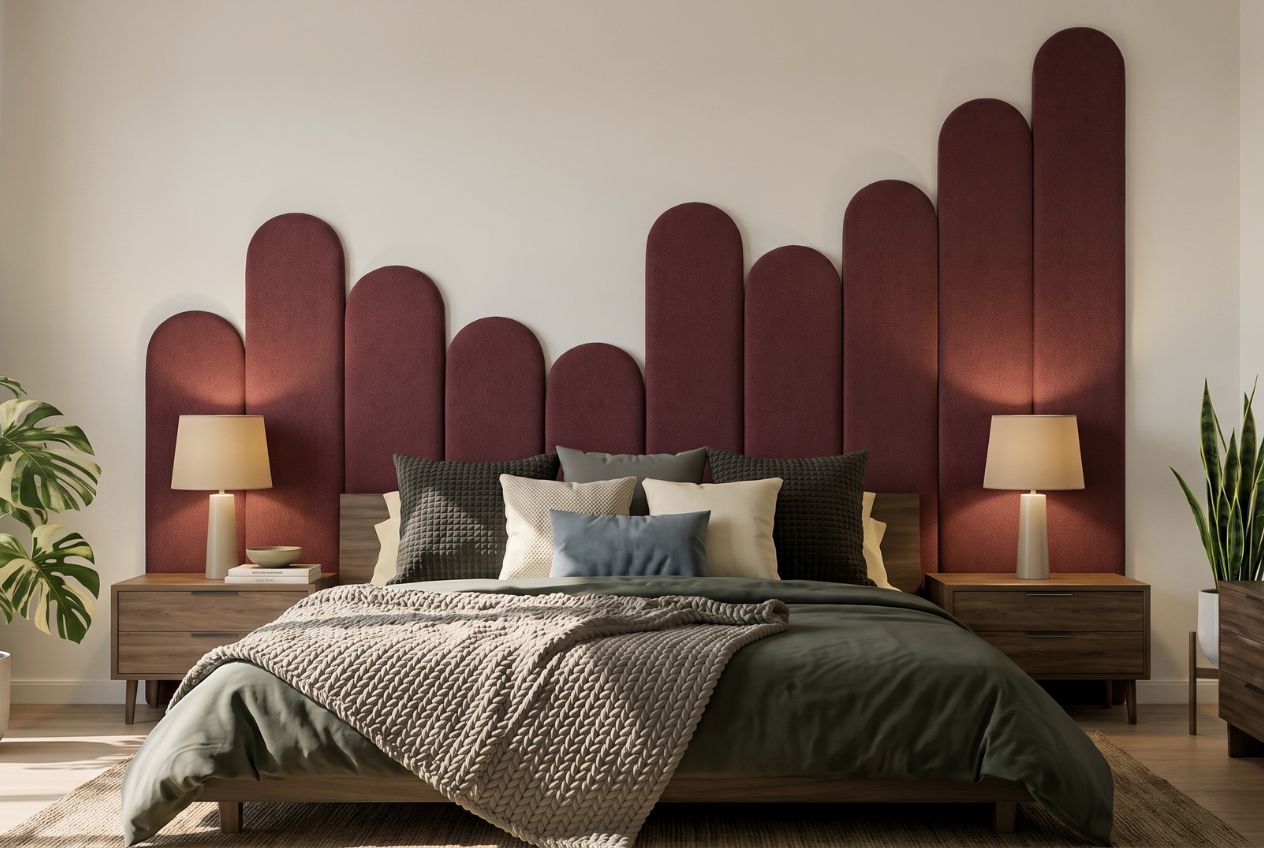
For renters ready to move beyond blank walls, DwellForms™ by Liftedplus offers a low-risk path to a colour-led feature wall without drilling, painting, or permanent installation. The sample kit is the natural starting point: order a colour sample, test it on your wall, confirm the adhesion and the look, and the sample cost is credited off your first full kit order. You pay nothing extra to be certain.
From there, the DwellForms™ Skyline Kit and the DwellForms™ Linear Feature Kit cover the most common feature-wall configurations for bedrooms and living rooms. Extension packs let you scale up incrementally. Every kit ships with installation guidance, and the Liftedplus site includes layout ideas and colour inspiration for renters working with standard rental wall dimensions.
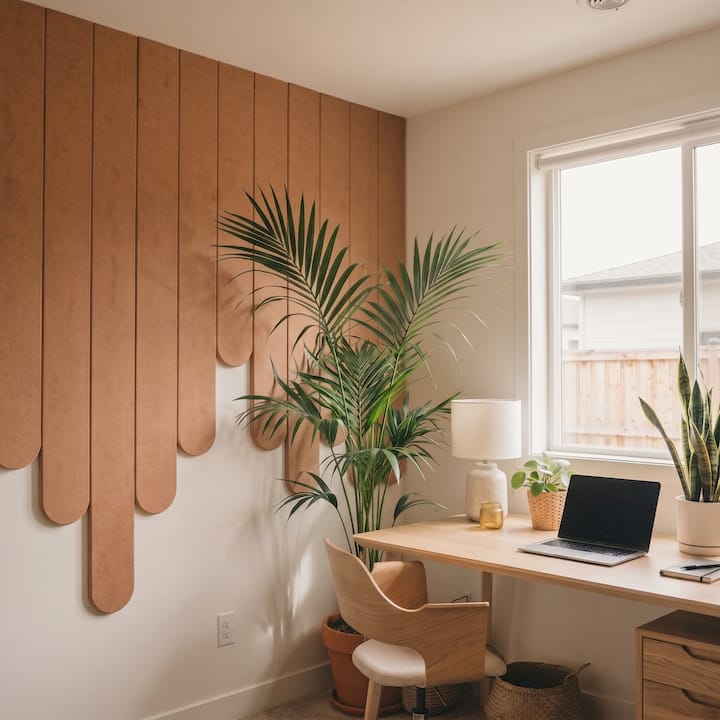
Browse the DwellForms™ Linear Extension Kit if you’re planning a larger wall or want to add to an existing kit. Start with a sample, measure your wall using the method in this guide, and order with confidence.
Sources
The price ranges and buying guidance in this article draw on the following sources. Where data originates from NZ or US markets, the guide has translated figures into Australian dollar equivalents or noted the source market explicitly.
- Decorative Wall Panels NZ: Compare Prices, Types & Where to Buy – Kiwi Report
- How Much Does A Panel Wall Cost? Know Here
- How Much Do Moveable Walls Cost? What Impacts the Price? – Office Interiors
International figures (US$/sqft, NZD) are noted as such throughout the article and have not been converted to AUD without explicit sourcing.
FAQ
How much do peel-and-stick wall panels cost in Australia?
True removable, peel-and-stick wall panels typically cost $30–$120 per square metre for materials in Australia, with a full small accent wall project (including consumables) usually landing between $160 and $560 for a DIY install.
Does Bunnings stock adhesive wall panels?
Bunnings carries some MDF and PVC decorative panels, though the range and adhesive-backing options vary by store. For tested removable adhesive-pad systems designed specifically for renters, specialist suppliers like Liftedplus offer more targeted options.
How many panels do I need for a feature wall?
Measure your wall area in square metres, subtract doors and windows, then add 10–15% for waste. Divide the adjusted area by the coverage per panel listed on the product page and round up to the nearest whole panel.
Can removable wall panels damage rental walls?
Panels using tested removable adhesive pads on smooth, painted plaster walls carry a lower damage risk than those fixed with construction adhesive or nails. Always test a sample pad on a hidden section for 48 hours before installing a full kit, and photograph the wall beforehand.
What is the cheapest type of removable wall panel?
Foam 3D panels and basic PVC peel-and-stick panels are the lowest-cost options, typically $25–$55 per square metre for materials. They suit short-term or single-rental use; for renters who move frequently, a reusable modular kit often offers better value over time.