

Blu Tack is not recommended for long-term use on typical painted rental walls in New Zealand, though a small, short-lived blob on a smooth, non-porous surface carries far less risk than a lump left on textured or freshly painted plaster for months. If you rent, the safest first move is written permission from your landlord before you stick anything to a wall you don’t own.
TL;DR:
- Using Blu Tack on painted plaster or gib board in New Zealand risks causing damage that tenants can be held liable for, especially after months of contact.
- It’s safest to stick to sealed, non-porous surfaces like glass or metal, and avoid use on absorbent or freshly painted walls to reduce long-term damage risk.
- For short-term use, keep blobs small, stick only to smooth areas, and document wall condition before and after to protect your bond.
- Proper removal involves gentle rolling or twisting the tack off, avoiding scraping or pulling that can lift paint or damage the wall surface.
- Alternatives like removable wall panels offer a renter-friendly, non-damaging way to decorate without risking deposit deductions.
Table of Contents
- How Blu Tack can damage walls and why it matters
- Manufacturer guidance: which surfaces Blu Tack is safe for
- If you choose to use Blu Tack: renter-friendly precautions
- How to remove Blu Tack from painted walls without making things worse
- Tenancy Services rules and likely outcomes for tenants in New Zealand
- Author perspective: practical recommendation for NZ renters and homeowners
- An alternative: DwellForms™ removable wall panels
- FAQ
- Sources
How Blu Tack can damage walls and why it matters
Blu Tack owes its grip to oils and plasticisers blended into the putty, and those same oils are what cause the trouble. Left against paint for any length of time, they can migrate into the finish, leaving a greasy shadow or softening the bond between paint and plaster underneath. Bostik’s own technical data sheet warns that painted plaster needs care, because the adhesive’s grip can pull paint away from the wall when it’s removed.
Several conditions make the damage worse:
- Porous or textured plaster absorbs oils faster than a sealed, glossy finish.
- Walls painted within the last few weeks haven’t fully cured, so the surface bond is weaker.
- Warm rooms soften the putty, letting it press further into tiny surface irregularities.
- Months of contact let adhesion build, so a blob that lifted cleanly on day one may tear paint by day ninety.
One documented risk: NZ renters have faced Tenancy Tribunal proceedings and bond deductions over Blu Tack marks, because the damage is considered preventable rather than fair wear and tear.
Manufacturer guidance: which surfaces Blu Tack is safe for
Bostik, the maker of Blu Tack, is clear about where its putty performs best and where it doesn’t belong. The manufacturer’s own guidance narrows the safe zone considerably:
- Recommended surfaces include glass, metal and vinyl-coated wallpaper, where the sealed, non-porous finish resists oil penetration.
- Bostik specifically advises against use on absorbent surfaces, including silk-screen printed or hand-stencilled wallpapers.
- For removal, the advice is to roll the putty off rather than peel or scrape it, then mop up shreds with a fresh ball of tack.
That guidance matters because most rental walls in New Zealand are painted plaster or gib board, sitting somewhere between “ideal” and “avoid” on Bostik’s own scale. Following the manufacturer’s instructions reduces risk, but it doesn’t eliminate it on the surfaces renters actually have.
If you choose to use Blu Tack: renter-friendly precautions
If you’re set on using it anyway, treat it as a short-term tool rather than a permanent fixture.
- Keep blobs small and use the minimum amount needed to hold the item.
- Stick only to clean, smooth, non-porous patches, never fresh paint or raw plaster.
- Patch-test on a hidden corner first and photograph the wall’s condition before and after.
- Ask your landlord in writing before attaching anything beyond the smallest, most trivial item.
- Swap in lower-risk options where you can, such as rated removable strips, small picture hooks, or a modular no-drill wall system.
Pro Tip: Replace Blu Tack every few weeks rather than leaving the same blob for months, since fresh putty lifts far more cleanly than putty that’s had time to bond.
Documenting the wall before you start isn’t bureaucratic overkill. It’s the difference between a quick conversation with your property manager and a dispute over who caused a mark that was already there.
How to remove Blu Tack from painted walls without making things worse
Removal technique matters almost as much as whether you used Blu Tack in the first place. Rushing the job is how a faint shadow turns into bare plaster.
- Roll and twist the remaining putty off the wall rather than pulling or scraping it.
- Press fresh Blu Tack onto any leftover residue and lift it away, repeating until the surface is clear.
- If a stain remains, patch-test a gentle solvent, chewing-gum remover or isopropyl alcohol in a hidden spot, then dab rather than rub.
- Stop the moment paint lifts or plaster looks damaged. That’s a repair job, not a cleaning job.
A couple of safety notes while you work:
- Ventilate the room if you’re using any solvent, and never use one near an open flame.
- Avoid scrubbing hard with a cloth, since friction tends to spread the stain rather than shift it.
If the wall is already compromised, tell your landlord before attempting a DIY fix. Painting over or filling damage yourself can be treated as a failure to notify them, which tends to shift more of the repair cost onto you.
Tenancy Services rules and likely outcomes for tenants in New Zealand
New Zealand’s tenancy framework is specific about who pays when a wall gets damaged. Tenancy Services guidance states that tenants must report damage to the landlord as soon as it happens, and that careless or intentional damage, Blu Tack marks included, can leave the tenant liable for compensation or repair costs through the Tenancy Tribunal.
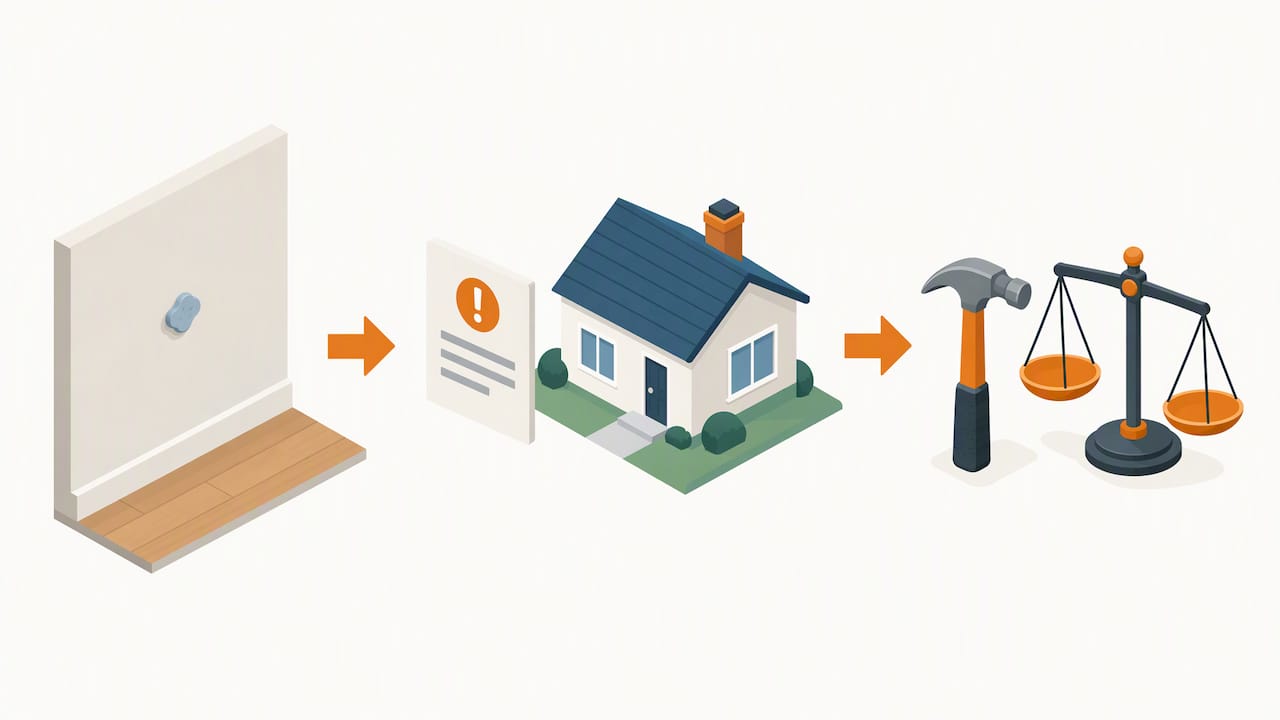
Minor changes to a property, including anything semi-permanent on a wall, need the landlord’s written consent first. Under Tenancy Services rules on changes, landlords must respond to a request for a minor change within a reasonable timeframe, typically around three weeks. If damage does occur, a landlord can issue a 14-day notice to remedy, and unresolved or serious cases can end up before the Tribunal.
A few practical habits keep you on the right side of this:
- Photograph any damage and the surrounding wall as soon as you notice it.
- Put every request and every report in writing, even if you’ve already discussed it in person.
- Never attempt an unauthorised repair, since it can be read as concealment rather than care.
Author perspective: practical recommendation for NZ renters and homeowners
My honest view, after looking at both the manufacturer’s own warnings and how NZ tenancy law treats “preventable” damage, is that Blu Tack is best kept for light, short-term jobs, not a wall you’re trying to style for the long haul. If you need something to stay up for months, get written consent and photograph the wall first, because that single step protects your bond more than any removal technique. For lasting colour or texture, a reversible, design-led option spares you the guesswork entirely.
— Michelle
An alternative: DwellForms™ removable wall panels
Renting shouldn’t mean choosing between a blank wall and a bond deduction. DwellForms™ is a brand of colourful, sculptural wall panel kits that use adhesive pads for installation without drilling or painting, designed to leave no permanent marks when removed.

What makes it a genuine renter-friendly feature wall rather than another sticky-tack workaround:
- Panels are made from recycled PET felt, providing colour and texture without the usual renovation mess.
- Kits are removable and reconfigurable, allowing users to rearrange or move their wall design to a new space.
- Creating a full feature wall offers a more considered and architectural alternative to individual posters and prints attached with Blu Tack.
If you’re weighing up months of Blu Tack touch-ups against a wall you’d actually want to keep, start with the DwellForms™ Colour Samples to see the palette in your own light before committing to a full DwellForms™ Core Kit.
FAQ
Is it okay to put Blu Tack on walls?
A small amount on a clean, non-porous surface is generally low risk for short periods, but Bostik’s own guidance cautions against painted plaster and porous walls. For anything beyond a quick, temporary fix, check your tenancy agreement first.
Can a tenant paint the walls in NZ?
Painting counts as a change to the property, so tenants need the landlord’s written permission before doing it. Under Tenancy Services rules, landlords must respond to a request for this kind of minor change within 21 days.
Why does Blu Tack leave marks on walls?
The oils and plasticisers in the putty can soak into paint over time, and Bostik’s technical data sheet warns this can weaken the bond between paint and plaster. The longer it sits, the more adhesion builds, which is why marks often appear after months rather than days.
What is the best way to remove Blu Tack from painted walls?
Roll the putty off rather than scraping or pulling it, then use fresh tack to lift any leftover residue. For stubborn marks, Bostik recommends a patch-tested solvent dabbed gently, and stopping immediately if paint starts to lift.
Does DwellForms™ damage walls like Blu Tack can?
DwellForms™ panels use tested adhesive pads designed for no-drill, renter-friendly installation, giving you colour and texture without painting or permanent fixing. Pricing and kit details are available directly on the DwellForms™ Core Kits page.
Sources
The guidance above draws on Bostik’s manufacturer advice and technical data sheet, Tenancy Services’ official rules on damage and property changes, and documented Tribunal outcomes reported in New Zealand media.
- BLU-TACK® technical data sheet (Bostik) — New Zealand
- Damage and repairs » Tenancy Services (New Zealand)